Best Bee Suit for Hornets and Wasps: What Actually Protects You
Honey Garage is reader-supported. As an Amazon Associate we earn from qualifying purchases, at no extra cost to you. Read our affiliate disclosure.
A regular beekeeping suit is designed for honey bees, which have a short, barbed stinger and sting only once. Hornets, wasps and yellowjackets are different. Their stingers are longer and smooth, they can sting over and over, and they defend a nest in far larger numbers. The best bee suit for hornets is therefore the thickest one you can work in: a three-layer ventilated suit, worn loose over an extra layer of clothing, with gloves and a veil that keeps the mesh well away from your face.
Beekeeping suits are not certified for hornet protection, so for large nests, nests high up or inside walls, or if you are allergic to stings, call a licensed pest control professional. For removing a small nest yourself or protecting your hives, these are the suits that hold up best.
Can hornets sting through a bee suit?
Through a single layer of cotton or poly-cotton, yes, especially where the fabric is pulled tight against your skin. Three-layer ventilated suits are much harder to sting through, because the thick spacer layer holds the outer surface away from your body. Even so, the largest hornets are a different league. Washington State’s agriculture department, working with the northern giant hornet (formerly called the Asian giant hornet), notes a stinger of about 6 mm (a quarter inch) and used specialized suits. Treat any claim of “hornet-proof” with caution.
| Honey bee | Yellowjacket / paper wasp | Hornets (European, bald-faced) | |
|---|---|---|---|
| Stinger | Short, barbed, stings once | Smooth, stings repeatedly | Longer, smooth, stings repeatedly |
| Defensive behavior | Defends the hive; usually calm away from it | Very defensive near the nest, especially late summer | Very defensive; bald-faced hornets can spray venom toward the eyes |
| Suit needed | Any good bee suit or jacket | Three-layer suit, gloves and a full veil | Three-layer suit plus an underlayer; consider a professional |
Our picks
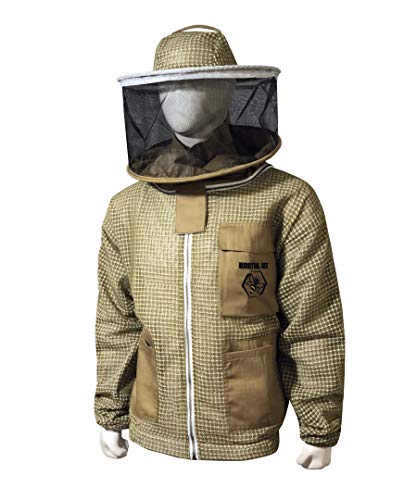
1. USKEEPERS 3-Layer Ultra Ventilated Bee Suit (best overall for hornets and wasps)
Three layers of ventilated mesh give the most distance between the outer surface and your skin of any suit here, which is what matters against longer stingers. It comes with fencing and round veils, YKK brass zippers and eight pockets, and it breathes well enough to wear over an extra layer of clothing on a warm evening.
- Good: thickest, most sting-resistant fabric; cool enough to layer under; two veils.
- Watch for: not certified for hornets; gloves sold separately.
2. Be Noble 3-Layer Heavy-Duty Beekeeping Suit (best heavy-duty alternative)
A three-layer protective suit sold for heavy-duty use, with a multi-layer design that adds an extra barrier against stings while staying breathable and flexible. It is a good alternative to the USKEEPERS suit if you want a heavier-duty build for wasp and hornet work.
- Good: three-layer protection; heavy-duty build.
- Watch for: check the size chart and what is included (veil, gloves) on the listing.
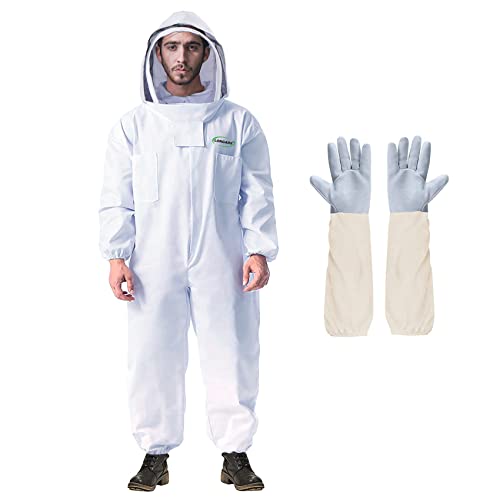
3. ANDES Sting Proof Bee Suit with Gloves (best budget with gloves)
A full suit in a 65% cotton, 35% polyester blend with thick A+ goatskin gloves and a detachable ventilated fencing veil. It is cut loose, which leaves room for the extra underlayer you should wear against wasps and hornets.
- Good: thick goatskin gloves included; loose fit leaves room for layers; low cost.
- Watch for: single-layer fabric: always wear a thick underlayer for hornets and wasps.
How to layer for hornet and wasp nests
- Underlayer: a thick sweatshirt and heavy trousers under the suit add distance between the stinger and your skin. That is often the difference between a sting and no sting.
- Size up so the suit stays loose over the extra layer, even when you reach or crouch.
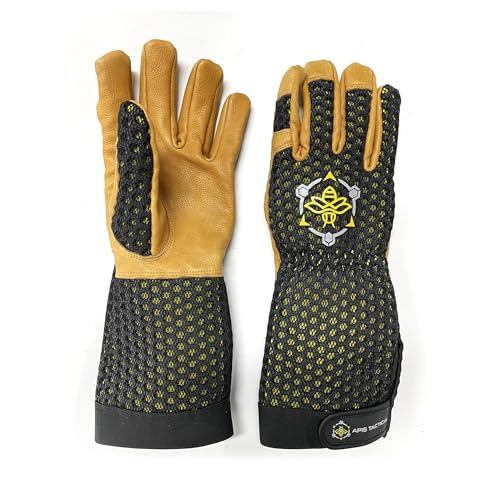
- Gloves: thick goatskin or leather gauntlets that overlap the cuffs, sealed with tape if needed. See the best beekeeping gloves.
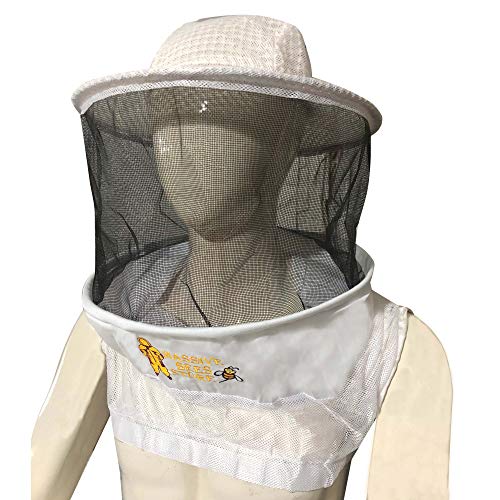
- Face and eyes: a veil that holds the mesh well off your face, plus safety glasses, because bald-faced hornets can squirt venom.
- Feet: boots with the suit legs over the top and taped or banded shut. Yellowjackets nesting in the ground come up from below.
- Timing: deal with nests at night or dusk, when the insects are inside and slower, using a red light.
Protecting your hives from hornets and yellowjackets
Beekeepers usually meet wasps and hornets in late summer, when they raid weak colonies for honey and brood. Reduce hive entrances, keep colonies strong, and trap or remove nearby nests. See our guides to protecting honey bees from yellowjackets and protecting bees from giant hornets. For nests in the lawn, see our ground nest treatment guide.
Frequently asked questions
Will a bee suit protect me from wasps?
A three-layer bee suit worn loose over normal clothing protects well against paper wasps and most yellowjacket stings. A thin single-layer suit will let some stings through where it touches your skin.
What is the difference between a wasp suit and a bee suit?
Suits sold for wasp and hornet removal are generally thicker, often multi-layer, and designed to be worn over clothing, with sturdier face protection. A three-layer ventilated bee suit is the closest beekeeping equivalent.
Should I remove a hornet nest myself?
Only small, easy-to-reach nests, and only if you are not allergic to stings. Large nests, nests high in trees or inside walls, and any suspected giant hornet nest should be left to professionals. In the US, report suspected northern giant hornets to your state department of agriculture.
What should I do if I get stung many times?
Move away from the nest calmly and quickly. Seek emergency medical help for trouble breathing, swelling of the face or throat, dizziness, or many stings at once. For ordinary stings, see our guide to bee stings.
Looking for a suit mainly for honey bees? See the best bee suits, including cotton and kids’ options.