Best Beekeeping Gloves (and How to Pick the Right Pair)
Honey Garage is reader-supported. As an Amazon Associate we earn from qualifying purchases, at no extra cost to you. Read our affiliate disclosure.
Beekeeping gloves protect your hands and forearms from stings while you handle frames. The best beekeeping gloves for most people are goatskin gloves with a long canvas sleeve and a ventilated mesh band at the wrist. Goatskin is thin enough to feel a frame and tough enough to stop most stings, and the long sleeve seals over your suit or jacket cuff. Beginners should start with leather. Many experienced beekeepers later switch to thick nitrile gloves, or none at all, for better feel.
Our picks at a glance
| Gloves | Best for | Key feature |
|---|---|---|
| Goatskin gloves with vented mesh | Best overall, hot weather | Breathable mesh band, elbow-length canvas sleeve, sizes XS–2XL |
| Forest Beekeeping Supply goatskin gloves | Most popular all-rounder | “A-grade” goatskin, long canvas sleeve with elastic cuff |
| Goatskin bee gloves, 2-pack | A spare pair or a helper | Two pairs with long cuffs |
| Luwint kids goatskin gloves | Children | Kids’ sizing, ventilated mesh sleeve cuffs |
| TitanFlex 8-mil nitrile gloves | Experienced beekeepers who want dexterity | Thick disposable nitrile with raised diamond grip, 100 count |
The best beekeeping gloves
1. Goatskin Beekeeping Gloves with Vented Mesh (best overall)
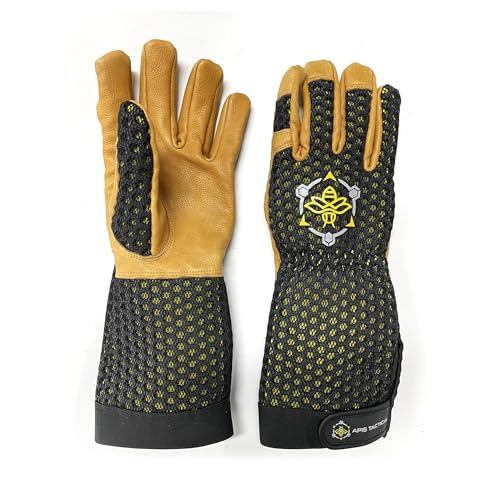
These gloves have goatskin on the hand and fingers, a breathable mesh band between the hand and the sleeve, and an elbow-length cotton canvas sleeve finished with an elastic cuff. That is the layout we recommend for most beekeepers: supple leather where you need feel, airflow at the wrist, and a long sleeve to cover your forearms.
They come in sizes XS to 2XL, one pair per order, so most adults can find a good fit if they measure first. The mesh vent makes them noticeably cooler on summer inspections, which means you are less tempted to pull them off halfway through. Wear the sleeves over your suit or jacket cuffs, since mesh is not as sting-proof as leather.
- Good: Goatskin hands, vented mesh band, elbow-length sleeve, wide size range
- Watch for: Mesh is less sting-proof than leather; one pair only
2. Forest Beekeeping Supply Goatskin Gloves (most popular all-rounder)
Forest Beekeeping Supply’s gloves are a long-standing favorite with beginners. They use what the maker calls A-grade goatskin on the hands, with a long canvas sleeve that protects your forearms and an elastic cuff at the top to keep bees from crawling up inside. It is a simple, classic layout that has changed little because it works.
There is no mesh vent, so they are a little warmer than our top pick on a hot afternoon, but also a little more sting-resistant at the wrist. That makes them a good match for cooler climates, early-spring and fall inspections, or anyone working a colony with a temper. They are a solid, no-nonsense first pair for a new beekeeper.
- Good: Popular, goatskin hands, long canvas sleeve, elastic cuff
- Watch for: No ventilation band, so warmer in summer
3. Goatskin Bee Gloves with Long Cuffs, 2-Pack (best for a spare pair)
This listing gives you two pairs of goatskin beekeeping gloves with long cuffs. A spare pair is more useful than it sounds: one pair can be drying after a wash while you wear the other, you can keep a clean pair for harvest day, or you can lend a pair to a helper, a visitor or a new beekeeper you are mentoring at the hive.
The listing gives very little detail beyond the goatskin and long cuffs, and it has far fewer reviews than our top two picks, so check the size chart carefully before ordering. If you already own a pair that fits well and you like, buying a second pair of the same gloves is the safer choice; if not, this 2-pack is a good value way to have a spare.
- Good: Two pairs, goatskin, long cuffs
- Watch for: Little product detail in the listing; fewer reviews than our top picks
4. Luwint Kids Goatskin Beekeeping Gloves (best for children)
Luwint makes goatskin beekeeping gloves in children’s sizes, with ventilated mesh sleeve cuffs for airflow. Properly sized gloves matter for kids more than for adults: a child in floppy adult gloves cannot grip a frame, is more likely to drop it and upset the bees, and loses confidence fast. Gloves that fit let a young helper hold a frame steadily.
The listing is short on detail beyond the goatskin and the ventilated cuffs, so measure your child’s hand across the knuckles and compare it with the size chart before you order. Pair the gloves with a child’s suit or jacket and veil, check that the sleeves overlap, and start them on calm colonies on a warm, sunny day.
- Good: Kids’ sizes, goatskin, ventilated cuffs
- Watch for: Little detail in the listing; check the size chart carefully
5. TitanFlex 8-mil Nitrile Gloves (best for dexterity)
These are not beekeeping gloves. They are heavy-duty disposable nitrile gloves, 8 mil thick, which the maker says is two to three times thicker than typical disposable nitrile. They have a raised diamond grip that helps on sticky, propolis-coated frames, are latex- and powder-free, and come 100 to a box, which lasts a hobby beekeeper a long time.
Experienced beekeepers use gloves like these for the feel: you can pick up a queen, handle frames gently and crush fewer bees. Stings can still get through, so they suit calm colonies and confident hands, not beginners or defensive hives. A fresh pair per session also means no alarm scent building up.
- Good: Excellent feel, thick for nitrile, grippy, disposable
- Watch for: Not made for beekeeping; stings can get through; no forearm protection
Goatskin vs cowhide vs other materials
The material on the hand decides how much you can feel and how much gets through.
| Material | Feel | Sting protection | Notes |
|---|---|---|---|
| Goatskin | Good; thin and supple | Good | The standard choice for beekeeping. Soft, strong for its thickness, and gets more comfortable with wear. |
| Cowhide | Poor; thick and stiff | Very good | Cheaper, and good for very defensive colonies, but clumsy on frames and hot. |
| Sheepskin | Very good | Fair | Softest leather, but thinner, so stings get through more often. |
| Coated fabric or synthetic | Fair | Fair to good | Some are washable; quality varies a lot between brands. |
| Thick nitrile (6–8 mil) | Excellent | Low | Stings can go through. Many beekeepers find bees sting clean nitrile less than leather that smells of old stings. |
Whatever the leather, check the seams. Bees find gaps at the fingertips and where the leather meets the sleeve.
What to look for in beekeeping gloves
- A long sleeve. Canvas gauntlets that reach close to the elbow protect your forearms, which is where many stings land when you lift a frame.
- An elastic cuff at the top of the sleeve, to grip your arm and stop bees crawling in.
- Ventilation. A mesh band between the leather and the sleeve lets air in. On a hot day sweaty hands are the main reason people take their gloves off. Mesh is only as sting-proof as the fabric under it, so wear it over a suit or jacket sleeve.
- Fit. Snug, but not tight. Loose fingertips catch on frames and crush bees; tight gloves press the leather against your skin, so a stinger reaches you.
- Tucking. Wear the glove sleeve over your suit or jacket cuff, not under it. Bees walk upward, and anything that leads them inside a sleeve will find skin.
How to get the right size
Measure around your dominant hand across the knuckles, not counting the thumb, and compare with the maker’s chart. If you are between sizes, go up for leather; it is better to have a little room than tight fingers. Goatskin also softens and relaxes slightly with use. If the gloves are for a partner or child, have them try on the chart measurements rather than guessing, because a child in adult gloves cannot hold a frame safely.
Kids beekeeping gloves
Children need gloves that actually fit. Oversized adult gloves slip off, and a child who cannot grip will drop frames, which upsets the bees. Choose kids’ goatskin gloves with a long sleeve, pair them with a child’s suit or jacket and veil, and let them help with calm jobs on a warm, sunny day. More ideas in how to get your kids involved in beekeeping.
Nitrile gloves or no gloves?
Ask a group of beekeepers about gloves and you will get a debate. Many experienced beekeepers work in thick nitrile gloves or bare-handed because they can feel what they are doing. They crush fewer bees, spot the queen more easily and handle frames more gently. Some also find that bees sting smooth nitrile less often than old leather gloves soaked in venom and alarm scent.
The case for leather is simple: you will get stung less. When you are new, confidence matters more than dexterity. Nervous, jerky movements cause stings, and so does dropping a frame because you flinched. Leather is also the right choice for defensive colonies, honey harvests and removals.
A sensible path is to start in goatskin. Move to thick nitrile once you are comfortable, and keep the leather gloves in the truck for bad days. Anyone with a known sting allergy should stay fully covered and talk to a doctor before keeping bees. See a beekeeper’s guide to bee stings.
How to clean beekeeping gloves
When a bee stings, the stinger releases an alarm pheromone that smells a bit like bananas. It marks the spot, and other bees home in on it. Leather gloves that collect stings and propolis over a season carry that scent, which is one reason dirty gloves seem to get stung more. Clean them regularly:
- Scrape off stingers after each inspection with your hive tool or a fingernail.
- Wash leather gloves by hand in cool or lukewarm water with a little mild soap, ideally while wearing them so they keep their shape, then rinse.
- Air dry away from heat, and flex your fingers as they dry so the leather stays soft. Hot water, dryers and radiators make leather stiff and shrink it.
- Nitrile gloves are disposable; use a fresh pair per session, or per hive if you are worried about spreading disease between colonies.
- Propolis comes off leather more easily with a little rubbing alcohol on a cloth, used sparingly.
How to avoid stings on your hands, gloves or not
Gloves are the last line of defense. How you work matters just as much:
- Move slowly. Bees react to fast, jerky movement. Lift frames straight up and set them down gently.
- Do not crush bees. A crushed bee releases alarm pheromone. Nudge bees aside with a puff of smoke before you put your fingers on a frame edge.
- Use your smoker at the entrance and under the lid before you start, and a light puff across the top bars when bees boil up.
- Pick your time. Inspect on warm, calm, sunny days in the middle of the day, when many foragers are out. Cold, windy or rainy weather makes colonies grumpy.
- Keep your sleeves sealed. Most hand stings in gloves come from a bee that got in at the cuff. Check that the glove sleeve overlaps your suit sleeve every time you bend and reach.
When to replace beekeeping gloves
A good pair of goatskin gloves lasts several seasons with care, but replace them when you see any of these: holes or split seams at the fingertips, leather worn thin and shiny where you grip the hive tool, a torn or stretched elastic cuff that no longer grips your arm, or mesh with a hole in it. Gloves that have gone hard and cracked after being dried on a heater also need replacing, because stiff leather makes you clumsy. Many beekeepers keep their old pair as a spare for helpers or for dirty jobs like scraping boxes.
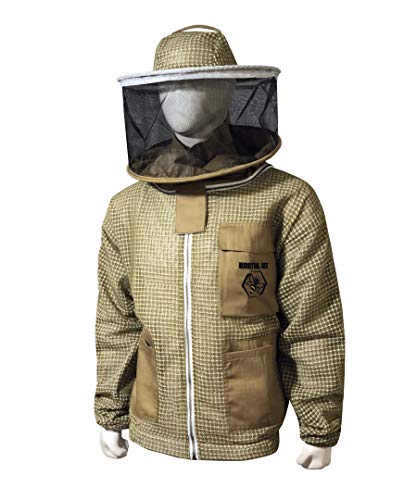
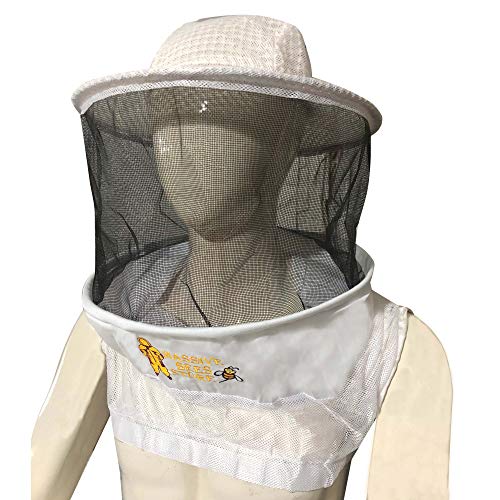
Gloves are one part of the kit. Pair them with a bee suit or a ventilated bee jacket and a good bee veil, or browse all our protective clothing guides.
Frequently asked questions
Can bees sting through beekeeping gloves?
Occasionally. Goatskin stops most stings, but a bee can get through where the leather is thin, stretched tight over a knuckle, or at a seam. Mesh vents and canvas sleeves are less sting-proof than leather, so wear them over your suit sleeve.
Are goatskin or cowhide beekeeping gloves better?
Goatskin, for most people. It is thinner and more flexible, so you can handle frames without crushing bees, while still stopping most stings. Cowhide gives a little more protection but is stiff and hot.
Do beekeepers need gloves?
Beginners should wear them. Many experienced beekeepers work gloveless or in nitrile with calm colonies for better feel, but they still keep leather gloves for defensive hives and harvests.
Can you wash beekeeping gloves in a washing machine?
Not leather ones; machine washing and drying can stiffen and shrink them. Hand wash in cool water with mild soap and air dry. Check the maker’s care label, since fabric gloves vary.
Why do bees seem to go for my gloves?
Your hands move the most and are closest to the bees, and old stings leave alarm pheromone on the leather that marks your gloves as a target. Slow movements and clean gloves help. If you are stung, our bee sting relief guide covers what to do.