

Best Beekeeping Supplies: Essential Gear for Every Beekeeper
Honey Garage is reader-supported. As an Amazon Associate we earn from qualifying purchases, at no extra cost to you. Read our affiliate disclosure.
Beekeeping is a fascinating hobby and a vital practice for our ecosystem. Having the right supplies can make beekeeping more enjoyable and successful.
Whether you are a beginner or an experienced beekeeper, choosing the best beekeeping supplies is essential. The right tools and equipment ensure your bees are healthy and productive. From protective gear to hive tools, each item plays a crucial role.
Quality supplies not only make your work easier but also ensure the well-being of your bees. In this blog, we will explore essential beekeeping supplies to help you get started or improve your practice. Let’s dive in and find out what you need to make your beekeeping journey successful.
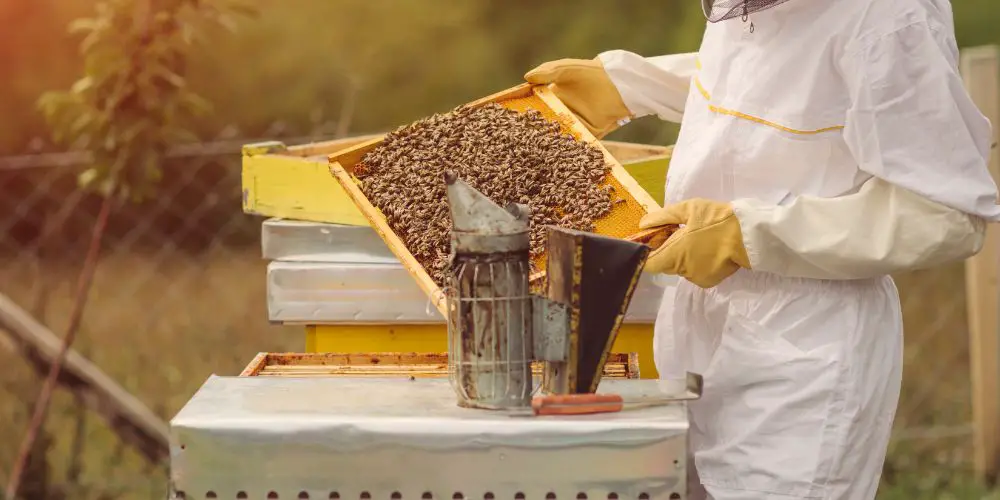
Credit: reviveabee.com
Beekeeping Suits
Beekeeping suits are essential for anyone involved in beekeeping. They provide vital protection against bee stings and allow beekeepers to work safely with their hives. Choosing the right beekeeping suit can make a significant difference in comfort and safety. Here, we will explore the importance of protective clothing and how to choose the right fit for your beekeeping suit.
Protective Clothing
Wearing protective clothing is crucial in beekeeping. It helps prevent bee stings and keeps you safe. A good beekeeping suit includes:
- Full-body coverage: The suit should cover your entire body.
- Veil: This protects your face and neck.
- Gloves: These keep your hands safe.
Materials used in suits vary. Common options include cotton, synthetic blends, and ventilated fabric. Each material has its benefits.
Choosing The Right Fit
Finding the right fit for your beekeeping suit is important for comfort and protection. Here are some tips:
- Measure your body: Take accurate measurements of your chest, waist, and height.
- Check size charts: Use the manufacturer’s size chart to find your fit.
- Consider layers: Leave room for clothing layers underneath your suit.
Ensure the suit is not too tight. This allows for better movement and ventilation. A well-fitted suit enhances your safety and makes beekeeping more enjoyable.
Bee Hives
Bee hives are essential for any beekeeper. They provide a safe home for bees. A good hive ensures the health and productivity of your bees. Choosing the right hive and maintaining it is crucial for success in beekeeping.
Types Of Hives
There are several types of bee hives available. Each type has its own advantages and disadvantages. Let’s look at the most popular ones:
- Langstroth Hive: The most common type. Known for its removable frames. Easy to manage and inspect.
- Top-Bar Hive: Simple design. Allows natural bee behavior. Easier to build and maintain.
- Warre Hive: Mimics a tree cavity. Promotes natural comb building. Requires less intervention.
Hive Maintenance
Proper maintenance ensures the health of your bee colony. Here are some key tasks:
- Regular Inspections: Check for diseases and pests. Ensure the queen is healthy. Look for signs of swarming.
- Cleaning: Remove debris and dead bees. Clean the frames and hive body. Ensure no mold or fungus.
- Feeding: Provide sugar syrup during dearth periods. Use pollen patties if necessary. Ensure a balanced diet for your bees.
- Winter Preparation: Insulate the hive. Reduce the entrance to keep out cold winds. Ensure adequate food stores for winter.
Maintaining your hive is crucial for strong, healthy bees. Regular care keeps your bees productive and happy.
Hive Tools
Beekeeping can be a rewarding hobby. To make the most of it, you need the right tools. Hive tools are essential for every beekeeper. These tools help you manage your hive efficiently. They ensure the safety of both you and your bees.
Essential Tools
There are many hive tools available. The most common is the J-hook hive tool. It helps you lift frames with ease. The flat hive tool is another popular choice. Its flat edge can pry apart hive boxes. Both tools are made of stainless steel. This makes them durable and long-lasting.
Another must-have is the bee brush. It gently removes bees from frames. This keeps the bees safe while you work. The frame grip is also useful. It allows you to lift frames without disturbing the bees too much.
Proper Usage
Using hive tools correctly is important. First, always keep your tools clean. This prevents the spread of disease. When using the J-hook hive tool, place the hook under the frame. Lift gently to avoid harming the bees. Use the flat edge to separate hive boxes. This is useful when boxes are stuck together with propolis.
With the bee brush, use light strokes. This keeps the bees calm. When using the frame grip, hold it firmly. This gives you better control and reduces the risk of dropping a frame.
Bee Smokers
Bee smokers are essential tools for beekeepers. They help calm bees and make hive management easier. Let’s explore the importance of smokers and how to use them effectively.
Importance Of Smokers
Bee smokers play a crucial role in beekeeping. They produce smoke that soothes bees, reducing their aggressiveness. This makes it safer for beekeepers to inspect hives and perform maintenance tasks.
Smoke triggers bees’ natural instinct to consume honey. This keeps them busy and less likely to sting. Using a smoker also disrupts their communication. The smoke masks alarm pheromones, further calming the colony.
Here are some key benefits of using bee smokers:
- Safety: Reduces the risk of bee stings.
- Efficiency: Helps in smooth hive inspections.
- Bee Well-being: Minimizes stress on the bees.
How To Use
Using a bee smoker correctly ensures its effectiveness. Follow these steps for optimal use:
- Preparation: Gather fuel such as dried leaves, pine needles, or paper.
- Lighting: Light the fuel and allow it to burn for a few minutes.
- Smoldering: Close the smoker and pump the bellows to produce smoke.
- Application: Puff smoke at the hive entrance and under the lid.
- Maintenance: Regularly clean the smoker to prevent clogs.
Be mindful of the smoke volume. Too much smoke can agitate bees. Aim for a gentle, consistent flow.
Here’s a quick tip: Avoid using chemicals or treated materials as fuel. They can harm the bees.
Feeders
Feeders are essential tools for beekeepers. They help provide bees with extra food. This is especially important during times of scarcity. Feeders ensure that the bees have enough nutrition. Let’s explore the different types of feeders and when to use them.
Types Of Feeders
There are various types of feeders available. Each type has its own benefits and uses.
Entrance Feeders: These feeders are placed at the hive entrance. They are easy to monitor and refill. Entrance feeders are suitable for small colonies.
Top Feeders: Top feeders sit on top of the hive. They hold a larger amount of syrup. Top feeders are ideal for large colonies. They are also protected from robbing bees.
Frame Feeders: These feeders replace one or two frames inside the hive. Frame feeders provide direct access to food. They are good for feeding during the winter.
Hive-top Feeders: These feeders cover the entire top of the hive. They offer a large capacity for syrup. Hive-top feeders are excellent for feeding many bees at once.
When To Use Feeders
Feeders are used during specific times to support the bees.
Early Spring: Use feeders in early spring. Bees need extra food to build up their strength. Feeders help them prepare for the foraging season.
Late Fall: Feeders are crucial in late fall. They help bees store enough food for winter. Bees can survive the cold months with adequate reserves.
Drought Periods: During droughts, natural nectar sources are scarce. Feeders supply the necessary nutrition during these times.
New Colonies: Feeders support new colonies. They help the bees establish their hive. Feeders ensure the colony grows strong and healthy.

Credit: www.youtube.com
Beekeeping Books
Beekeeping is a fascinating and rewarding hobby. Learning from the best resources can make the journey smoother. Beekeeping books are essential for beginners and seasoned beekeepers alike. They offer valuable insights into bee behavior, hive management, and honey production. Let’s explore some recommended reads and learning resources.
Recommended Reads
Books can be a beekeeper’s best friend. Here are some top picks:
- “Beekeeping for Dummies” by Howland Blackiston: This book is perfect for beginners. It covers all the basics in an easy-to-understand format.
- “The Backyard Beekeeper” by Kim Flottum: This guide is great for those wanting to keep bees in their backyard. It offers practical advice and step-by-step instructions.
- “The Beekeeper’s Bible” by Richard Jones and Sharon Sweeney-Lynch: This comprehensive guide covers everything from history to recipes. It’s a must-have for any serious beekeeper.
Learning Resources
Beyond books, there are many learning resources available to help you succeed:
| Resource | Description |
|---|---|
| Online Forums | Connect with other beekeepers, ask questions, and share experiences. |
| Beekeeping Courses | Many institutions offer courses both online and offline. These can provide hands-on experience. |
| Beekeeping Associations | Join local or national groups for support and networking opportunities. |
Using these resources can help you navigate the challenges of beekeeping. Always continue learning and stay curious about your bees.
Extracting Equipment
To harvest honey efficiently, beekeepers need the right extracting equipment. This equipment helps in extracting honey from the combs without damaging them. Here, we will look at two essential pieces of equipment: extractors and storage containers.
Extractors
Extractors are crucial for any beekeeper. They spin the frames to remove honey from the combs. There are different types:
- Manual Extractors: Operated by hand, ideal for small-scale beekeepers.
- Electric Extractors: Powered by electricity, perfect for larger operations.
Manual extractors are cost-effective and easy to use. They require physical effort, making them suitable for hobbyists. Electric extractors, on the other hand, provide faster and more efficient honey extraction. They are a good choice for those with many hives.
Storage Containers
After extracting the honey, proper storage is essential. Storage containers keep honey fresh and prevent contamination. Common types include:
- Plastic Buckets: Affordable and lightweight, with airtight lids.
- Glass Jars: Durable and non-reactive, preserving honey’s flavor and quality.
Plastic buckets are easy to handle and store large quantities of honey. They are practical for everyday use. Glass jars, though heavier, are excellent for long-term storage and gifting. They maintain the honey’s purity and are visually appealing.
Whether you choose plastic buckets or glass jars, ensure they are food-grade and clean. This guarantees the best quality honey for your needs.
Credit: www.amazon.com
Safety Gear
Beekeeping can be a rewarding and fascinating hobby. But it also involves certain risks. Safety gear is crucial for protecting yourself from bee stings and other potential hazards. Proper equipment ensures a safer and more enjoyable beekeeping experience.
Gloves And Veils
Gloves and veils are essential parts of beekeeping safety gear. They protect your hands and face from bee stings. Bees can become aggressive when you inspect their hive. High-quality gloves and veils can help prevent stings.
Beekeeping gloves should be durable and flexible. They must fit well for better control. Leather or thick cotton gloves are popular choices. Veils provide a barrier between your face and the bees. They should be made of fine mesh to keep bees out.
Some veils attach to a hat, while others are part of a beekeeping suit. Both types offer good protection. Ensure the veil covers your entire head and neck. Secure it properly to avoid gaps where bees could enter.
First Aid
First aid knowledge is important for any beekeeper. Bee stings are common, even with the best protective gear. Having a first aid kit on hand is wise. Include items like antihistamines, pain relievers, and ointments.
Learn how to treat bee stings. Remove the stinger quickly to reduce venom. Wash the area with soap and water. Apply ice to reduce swelling. If you are allergic to bee stings, carry an epinephrine injector.
Knowing basic first aid can prevent minor injuries from becoming serious. A well-prepared first aid kit ensures you handle incidents effectively. Always be ready to respond to emergencies in the apiary.
Frequently Asked Questions
What Are Essential Beekeeping Supplies?
Essential beekeeping supplies include beehives, bee suits, smokers, hive tools, and feeders. These items ensure safe and efficient beekeeping.
How Do I Choose The Best Beehive?
Choose a beehive based on your climate, budget, and beekeeping goals. Langstroth hives are popular for beginners.
Why Is A Bee Suit Necessary?
A bee suit protects you from stings and keeps you comfortable while working with bees. It ensures safety.
What Is The Purpose Of A Bee Smoker?
A bee smoker calms bees, making hive inspections safer and easier. It reduces the chance of getting stung.
Conclusion
Finding the right beekeeping supplies is essential for success. Quality tools make beekeeping easier and more enjoyable. Remember to choose durable and reliable equipment. This ensures a healthy and productive hive. Happy beekeeping and enjoy your journey!
