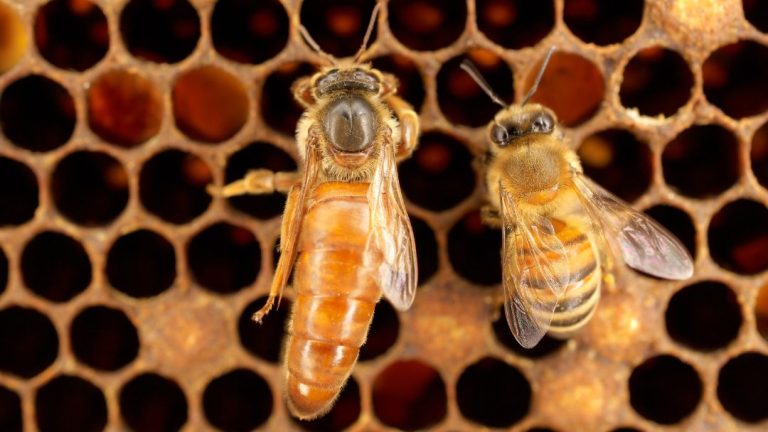
The Tangible Rewards of Beekeeping: Harvest Abundance and Sweet Success
Beekeeping offers tangible rewards such as honey production and pollination services, making it a lucrative and environmentally beneficial hobby or business venture. In addition to the satisfaction of harvesting delicious honey, beekeepers can sell their surplus product, create beeswax products, and provide essential pollination services to local farmers.
This allows beekeepers to not only generate income but also contribute to the sustainability of agricultural ecosystems. Furthermore, beekeeping can be a source of education and personal fulfillment, as it provides a deeper understanding of bees and their role in our environment.
With the right knowledge and skills, beekeeping can be a rewarding and fruitful endeavor that brings both financial and ecological benefits.
Why Beekeeping Is A Buzzworthy Hobby For Abundant Harvests
Beekeeping: An Introduction To A Rewarding Hobby
Beekeeping is not only a buzzworthy hobby, but it also holds numerous tangible rewards for those who delve into this fascinating craft. Whether you have a green thumb or simply enjoy reaping the fruits of your labor, beekeeping offers abundant harvests and a plethora of benefits. From the vital role bees play in agriculture and environmental sustainability to the sweet success of harvesting your own honey, here’s why beekeeping is an immensely gratifying pursuit.The Importance Of Bees In Agriculture And Environmental Sustainability
Bees are often hailed as the unsung heroes of our ecosystem for their crucial role in pollination. Through their tireless buzzing from flower to flower, bees facilitate the transfer of pollen, leading to the fertilization and subsequent production of fruits, vegetables, and seeds. In fact, it is estimated that bees are responsible for pollinating about one-third of the world’s food crops! This vital function not only ensures bountiful harvests but also supports the growth of diverse ecosystems. By becoming a beekeeper, you can actively contribute to the preservation of these essential pollinators and contribute to the sustainability of our environment.The Sweet Success Of Harvesting Honey: Benefits And Delights
One of the most anticipated rewards of beekeeping is the joy of harvesting your own honey. Picture yourself donning your beekeeping suit, gently uncapping the honeycombs, and relishing in the golden liquid that oozes out – a sweet nectar made by your own buzzing workforce. Not only does freshly harvested honey offer a rich, natural sweetness incomparable to store-bought alternatives, but it also boasts a multitude of health benefits. Raw honey is a source of antioxidants, enzymes, and essential vitamins, making it a delectable and nutritious addition to your diet.But honey is just the beginning of the delights that come with beekeeping. As your bee colony thrives and grows, you may also find yourself with an abundant supply of beeswax. With this versatile material, you can craft your own candles, lip balms, soaps, and even furniture polish. The possibilities are as boundless as the rewards of beekeeping itself.In conclusion, beekeeping is a captivating and rewarding hobby with numerous benefits. Not only does it allow you to witness the fascinating world of bees up close, but it also contributes to the health of our environment and provides you with a constant supply of nature’s sweetest treasures. So, why not give beekeeping a try? Start your journey into this buzzworthy hobby, and soon, you’ll be reaping the abundant harvests and relishing in the tangible rewards it brings.Preparing For Beekeeping Success: Equipment And Setup
Essential Equipment For Successful Beekeeping
When it comes to beekeeping, having the right equipment is essential for ensuring success and maintaining the well-being of your bees. Proper gear not only protects you from stings but also allows for efficient hive management. Here are some must-have pieces of equipment:1. Protective Clothing: Your safety should be a top priority while working with bees. Invest in a sturdy beekeeping suit, gloves, and a veil to shield yourself from potential stings. Opt for clothing that provides full coverage and is made from lightweight, breathable fabrics.2. Smoker: Bees can become agitated during inspections, but a smoker can help calm them down. This tool emits gentle smoke that triggers a feeding response, encouraging the bees to gorge on honey rather than attack. Make sure to use smoker fuel, such as pine needles or burlap, to keep the smoker going.3. Hive Tool: A hive tool is your Swiss Army knife when it comes to beekeeping tasks. This handheld tool has a flat, sturdy blade on one end for prying apart hive components, while the other end features a sharp hook for lifting frames and scraping off excess propolis. Having a hive tool on hand will make hive management much easier.4. Bee Brush: Sometimes, bees get a little too curious or clingy when you need to inspect or manipulate frames. A bee brush allows you to gently brush bees off the frames without harming them.5. Wax foundation installation tools: To guide your bees in building their honeycombs, you’ll need wax foundation sheets. Ensure you have the necessary tools on hand, such as wiring, eyelets, and pliers, for installing wax foundation securely within the frames.Setting Up Your Beehive: Choosing The Right Location, Hive Types, And Hive Placement
Once you have the necessary equipment, it’s time to set up your beehive. The success of your beekeeping venture depends on the careful consideration of three key factors: location, hive type, and hive placement.1. Location: Selecting the right location for your beehive is crucial. Bees thrive in areas with access to nectar and pollen sources, as well as a water source nearby. Consider placing your hive in an area with morning sunlight and shelter from strong winds.2. Hive Types: There are different hive types to choose from, each offering its own advantages. The most common type is the Langstroth hive, which allows for easy management and honey extraction. Alternatively, the top-bar hive and the Warre hive are alternative options suited for specific beekeeping philosophies.3. Hive Placement: Proper hive placement is essential for your bees’ productivity and safety. Ensure the hive is elevated off the ground to prevent moisture accumulation. Ideally, the entrance should face southeast to take advantage of the morning sun and provide a clear flight path. Additionally, consider installing predator guards to protect your bees.Understanding Bee Behavior: Essential Knowledge For Beekeeping Success
To thrive as a beekeeper, it’s crucial to understand the behavior of these remarkable creatures. By familiarizing yourself with bee behavior, you’ll be able to anticipate their needs and address any issues that may arise. Here are some key aspects of bee behavior to be aware of:1. Foraging: Bees are diligent foragers, venturing miles away from the hive in search of nectar and pollen. Understanding the types of flowers and plants that attract bees can help you ensure a rich food supply for your colony.2. Swarming: Swarming is a natural process in which a colony splits to form a new hive. It is crucial to monitor your colonies to prevent swarming, as it can lead to a loss of bees and honey production. Regular inspections and proper hive management can help mitigate the risk of swarming.3. Communication: Bees have a complex communication system consisting of pheromones and dances. By studying these communication cues, you can gauge the health and productivity of your hive.4. Seasonal Cycles: Bees’ behaviors adapt to the changing seasons, affecting their foraging patterns, brood production, and honey storage. Understanding these seasonal cycles allows you to provide the right care and management throughout the year.In conclusion, preparing for beekeeping success involves acquiring the essential equipment, setting up your beehive in the right location, choosing the appropriate hive type, and developing a deep understanding of bee behavior. By investing time and effort into these preparations, you’ll be laying a strong foundation for a thriving and rewarding beekeeping experience.Beekeeping 101: Mastering The Art Of Bee Care
Beekeeping is a rewarding and fascinating hobby that allows you to connect with nature while reaping the benefits of the honeybee’s incredible work. To be successful in beekeeping, however, it’s crucial to understand the art of bee care. Mastering the techniques of hive inspections, bee feeding, swarm prevention, maintaining optimal hive health, and providing essential pollen and nectar sources are all key aspects of ensuring your bees thrive and produce honey. In this article, we will explore these critical elements of beekeeping, equipping you with the knowledge needed to become a skilled beekeeper.
Beekeeping Techniques: Hive Inspections, Bee Feeding, And Swarm Prevention
Regular hive inspections are a necessity for every beekeeper. They provide an opportunity to assess the condition of your hive, monitor colony development, and detect potential problems early on. During a hive inspection, you should carefully examine each frame, looking for signs of disease, pests, or overcrowding. By maintaining a thorough inspection schedule, you can proactively address any issues and ensure the overall health of your bee colony.
Bee feeding is another crucial aspect of bee care, especially during periods when nectar and pollen sources are scarce. Providing supplementary feed, such as sugar syrup or pollen patties, ensures that your bees have the necessary nourishment to thrive and produce honey. It’s essential to monitor food consumption and adjust feeding accordingly to prevent hunger or excessive sugar syrup storage, which can lead to overcrowding and swarming.
Swarming is a natural reproductive behavior of honeybees. However, as beekeepers, our goal is to prevent swarming to maintain a productive hive. By understanding the factors that trigger swarming, such as overcrowding or limited space within the hive, you can implement swarm prevention techniques. These may include adding additional supers, performing swarm splits, or requeening the hive. Implementing these preventive measures will help maintain a healthy and stable bee colony.
Maintaining Optimal Hive Health: Disease Prevention And Treatment
Maintaining optimal hive health is paramount to the success of your beekeeping endeavors. Honeybees can be susceptible to various diseases and pests, which can devastate a colony if left unmanaged. Regular monitoring and preventive measures are crucial to minimize or eliminate the risk of diseases.
Disease prevention starts with maintaining a clean and hygienic hive. Regularly cleaning and sterilizing equipment, replacing old frames, and practicing good sanitation practices are essential steps to keep your bees healthy. Additionally, integrating IPM (Integrated Pest Management) techniques, such as using screened bottom boards and implementing natural pest controls, can significantly reduce the risk of infestations.
However, despite preventive measures, diseases can still occur. Promptly identifying and treating diseases is vital to mitigate their impact on your hive. Regularly inspecting for signs of disease, such as abnormal brood patterns, discoloration, or dead bees, allows for early intervention. Treatment methods may vary depending on the disease but can include the use of organic treatments or consulting a veterinarian or local beekeeping associations for guidance.
The Importance Of Pollen And Nectar Sources For Bee Nutrition
Adequate nutrition is essential for bee colony survival and productivity. Bees rely on pollen and nectar as their main sources of nutrients. As a beekeeper, it’s crucial to provide a diverse range of high-quality pollen and nectar sources throughout the year. This ensures that your bees have access to the necessary proteins and carbohydrates for their development and honey production.
Planting a variety of flowering plants, including bee-friendly flowers, cover crops, and trees, can provide abundant sources of pollen and nectar. Additionally, you can create gardens or wildflower meadows near your hives to maximize foraging opportunities and enhance the overall nutrition of your bee colony. Remember, a well-nourished colony is a stronger, healthier colony.
From Hive To Honey: The Rewards Of Harvesting Bee Products
One of the most satisfying aspects of beekeeping is the opportunity to directly benefit from the hard work of your bees. Harvesting bee products is a rewarding process that provides numerous tangible rewards. From the liquid gold of honey to the versatile beeswax, these bee products offer a multitude of uses and benefits. In this article, we will explore the step-by-step guide to extracting honey, delve into the world of other bee products, and discover the joys of creating homemade beeswax products.
Harvesting Honey: Step-by-step Guide To Extracting Liquid Gold
Extracting honey from your hive is not only a fulfilling endeavor but also an art in itself. Here is a step-by-step guide to help you transform those honey-filled frames into the delicious liquid gold:
- First, choose the right time to harvest. It’s crucial to determine if the honey frames are capped with wax. That indicates the honey is ripe and ready for extraction.
- Once you’ve identified the ripe frames, gently brush off any bees from the cells to avoid them being accidentally transferred into your extraction equipment.
- Transport the frames to your extraction area, where you’ll remove the wax cappings that seal the cells.
- Use a hot knife or uncapping roller to carefully skim off the wax cappings, exposing the honey-filled cells.
- After uncapping the frames, place them into an extractor. This device uses centrifugal force to spin the frames, causing the honey to be released from the cells.
- With the honey extracted, allow it to settle in a stainless steel or food-safe plastic container to let air bubbles rise to the surface.
- Filter the honey using a sieve or cheesecloth to remove any impurities before transferring it to clean jars for storage.
Following these steps will ensure that you successfully extract the purest, tastiest honey from your hive, ready to be savored and enjoyed.
Beyond Honey: Exploring Other Bee Products And Their Uses
Besides honey, beekeeping allows you to explore a multitude of valuable bee products and their wide range of uses. Here are some notable examples:
| Bee Product | Uses |
|---|---|
| Propolis | – Natural antibiotic and immune system booster. – Healing agent for wounds and burns. – Ingredient in natural skincare products. |
| Royal Jelly | – Nutritious supplement rich in vitamins, minerals, and amino acids. – Used in cosmetic products for its anti-aging properties. – Enhances fertility and supports hormonal balance. |
| Pollen | – Nutritious food source packed with proteins, vitamins, and minerals. – Allergy relief and immune system support. – Enhances energy and aids in digestion. |
These bee products offer remarkable benefits and can be used in various forms, ranging from dietary supplements and natural remedies to beauty and skincare products. Exploring these lesser-known products adds an extra dimension of reward to your beekeeping journey.
The Joys Of Homemade Beeswax Products: Candles, Balms, And More
Beeswax, harvested from your hives, opens the door to a world of creativity and satisfaction. With its all-natural properties, beeswax can be transformed into homemade products like candles, balms, and more. Let’s explore the possibilities:
- Beeswax Candles: Create beautiful, long-lasting candles that emit a subtle, natural aroma. Beeswax candles burn cleanly and produce negative ions that purify the air.
- Beeswax Balms and Salves: Utilize the moisturizing and healing properties of beeswax to craft soothing balms, salves, and lip balm. These homemade products are gentle on the skin and provide excellent protection.
- Beeswax Wraps: Replace single-use plastic wrap with eco-friendly beeswax wraps. These reusable wraps are perfect for storing food and reducing waste in your kitchen.
The joys of creating your own beeswax products are twofold: you get to experience the satisfaction of crafting something unique and useful, while also knowing that you are minimizing your environmental impact. So why not put your beeswax to good use and indulge in the joy of homemade creations?
Beekeeping As A Business: Monetizing Your Hobby And Sharing The Rewards
Beekeeping is not just a fascinating hobby, it can also be a profitable venture that allows you to share the rewards of your hard work with others. Whether you are a seasoned beekeeper or just starting out, there are numerous ways to monetize your beekeeping hobby and turn it into a thriving business. From selling honey and bee products to educating others about beekeeping, you can make a positive impact on both your bank account and the wider community.
Beekeeping As A Profitable Venture: Selling Honey And Bee Products
Selling honey and other bee products is one of the most common ways beekeepers monetize their hobby. With the growing demand for natural and organic products, beekeepers have a unique opportunity to offer a range of high-quality, artisanal products that customers are willing to pay a premium for. From the purest honey to beeswax candles and lip balms, there is a market waiting to be tapped into.
When it comes to selling honey, it’s essential to focus on its unique qualities. Whether it’s raw honey, infused with flavors like lavender or cinnamon, or specialty honey from specific floral sources, emphasizing the distinct taste and health benefits can help you stand out from the competition. Building relationships with local stores, farmers’ markets, and online platforms can expand your customer base and increase your sales.
Beekeeping Education And Workshops: Sharing Knowledge And Inspiring Others
Sharing knowledge and inspiring others is not only rewarding but can also be a source of income for beekeepers. Beekeeping education and workshops have gained popularity as people become more interested in understanding the vital role bees play in our ecosystem. By offering beginner beekeeping courses, advanced workshops, or educational sessions for schools and organizations, you can become a trusted expert in your community.
During these educational initiatives, you can teach participants about the basics of beekeeping, hive management, and honey extraction techniques. Additionally, highlighting the importance of bees as pollinators and the environmental impact of their decline can help raise awareness and encourage more people to get involved in beekeeping and conservation efforts.
The Global Impact Of Beekeeping: Environmental Stewardship And Conservation
Beekeeping has a global impact beyond simply being a profitable venture. As a beekeeper, you become an environmental steward and contribute to the conservation of these vital pollinators. Bees play a crucial role in pollinating crops, ensuring food production and biodiversity. By providing a safe haven for bees, implementing sustainable practices, and avoiding harmful pesticides, you actively contribute to the preservation of the natural world.
Furthermore, by taking part in local beekeeping associations and networks, you can collaborate with other beekeepers to protect and preserve bee populations on a larger scale. This collective effort enables the sharing of knowledge, experiences, and best practices, further strengthening the impact of beekeeping on conservation and environmental stewardship.
In conclusion, beekeeping offers not only tangible rewards through the sale of honey and bee products but also intangible rewards of being an educator, advocate, and contributor to environmental conservation. Whether you choose to focus on monetizing your hobby or make a difference in the wider world, beekeeping provides a fulfilling and meaningful journey.
Conclusion
Beekeeping offers numerous tangible rewards that go beyond just honey production. The financial benefits, such as selling honey and other bee products, can provide a stable income. The benefits also extend to the environment, as bees are crucial for pollination and help maintain biodiversity.
Moreover, the act of beekeeping can bring a sense of fulfillment, connection with nature, and a unique hobby that contributes to ecosystem conservation. Delve into the world of beekeeping and reap its many tangible rewards.