

Beekeeping Activities & Tasks for Each Season: Year-Round Guide
Beekeeping is a rewarding hobby. It requires year-round dedication.
Understanding seasonal tasks is crucial for successful beekeeping. Each season brings unique challenges and opportunities for beekeepers. In spring, bees become more active, requiring hive inspections and feeding. Summer demands monitoring hive health and honey production. Autumn is for preparing hives for winter, and winter means ensuring bees are warm and safe.
Knowing what to do each season can keep your bees healthy and productive. This guide will help you navigate beekeeping tasks throughout the year. Discover the essential activities and tasks for each season to maintain a thriving hive. Stay tuned to learn how to support your bees during every stage of the year.
Spring Preparation
Spring is a crucial time for beekeeping. As the weather warms up, bees become more active. This season is all about preparing your hives for the busy months ahead. Here are key tasks to focus on during spring preparation.
Inspect Hives
Begin by inspecting your hives. Look for any signs of damage. Check the condition of the hive boxes, frames, and covers. Clean out any debris or dead bees. This ensures a healthy start for your bees.
- Look for cracks or gaps in the hive structure.
- Ensure the entrance is clear of obstructions.
- Remove any mold or mildew inside the hive.
Check For Queen Activity
Next, check for queen activity. A healthy queen is key to a thriving hive. Look for eggs and larvae. These are signs that the queen is active and laying eggs.
| Sign | What to Look For |
|---|---|
| Eggs | Tiny, white, rice-like specks |
| Larvae | Small, white, curled up forms |
If you do not see these signs, consider introducing a new queen.
Add New Frames
Spring is the time to add new frames. This gives bees more space to build comb and store honey. New frames also help manage hive expansion.
- Remove old, damaged frames.
- Insert new frames into the hive.
- Ensure frames are evenly spaced.
Adding new frames early helps the colony grow strong.
By focusing on these tasks, you set your bees up for a successful season. Happy beekeeping!

Credit: www.beekeepingmadesimple.com
Swarm Management
Swarm management is a crucial part of beekeeping. It helps prevent the loss of bees. Swarming happens when a queen bee leaves the hive with many worker bees. This can reduce honey production. Here’s how to manage swarming effectively.
Monitor Swarming Signs
Regularly inspect the hives. Look for signs of swarming. Early signs include queen cells. These are larger than regular cells. Bees also become more active. Watch for clusters of bees outside the hive. This indicates a strong colony.
Split Strong Colonies
Strong colonies are more likely to swarm. Splitting them can prevent this. Create a new hive with a portion of the bees. Move some brood and honey frames to the new hive. This gives the bees more space. It also reduces the queen’s need to leave.
Install Swarm Traps
Swarm traps are useful. They attract bees that are about to swarm. Place traps near the hives. Use bait like old comb or lemongrass oil. Check traps regularly. Remove captured swarms promptly. This helps keep your bees in check.
Summer Management
Summer is a busy season for beekeepers. Bees are active and productive during this time. Managing the hive correctly ensures a healthy and thriving colony. Focus on the following tasks to keep your hive in top condition.
Monitor Hive Health
Regularly check the hive for signs of disease and pests. Look for unusual behavior or dead bees. A healthy hive should have bees actively flying in and out. Inspect the frames for brood patterns and food stores. Healthy brood patterns indicate a strong queen.
Ensure Adequate Ventilation
Bees generate heat, especially during the summer. Proper ventilation prevents the hive from overheating. Check that the entrance is clear. Consider using a screened bottom board for better airflow. Proper ventilation helps maintain the hive’s internal temperature.
Harvest Honey
Summer is the time to harvest honey. Check the supers for capped honey. Ensure at least two-thirds of the honeycomb is capped. Use a bee escape board to clear bees from the super. Extract honey carefully to avoid damaging the comb.
Pest And Disease Control
Keeping your beehives healthy involves many tasks. One of the critical tasks is pest and disease control. Unchecked pests and diseases can harm your bee colony. They can reduce honey production. Here are some key activities for managing pests and diseases in your beehive.
Identify Common Pests
First, learn to identify common beehive pests. Varroa mites, small hive beetles, and wax moths are frequent culprits. These pests can weaken your colony. Regular inspections are essential to spot them early. Look for signs like deformed wings or damaged comb. Early detection helps in managing the problem effectively.
Apply Treatments
After identifying pests, apply appropriate treatments. Use organic or chemical treatments based on the pest type. For Varroa mites, oxalic acid treatments work well. For small hive beetles, use traps and beetle blasters. Always follow the instructions on the treatment product. This ensures the safety of your bees.
Maintain Hive Hygiene
Cleanliness is crucial for a healthy hive. Remove dead bees and old comb regularly. Keep the hive area clean and free from debris. This reduces the chances of pests and diseases. Replace old frames with new ones periodically. Healthy hives are less attractive to pests and more resilient to diseases.
Fall Preparation
Fall is a critical time for beekeepers. Preparing your bees for winter ensures they survive the cold months. During this season, it’s essential to focus on feeding bees, combining weak colonies, and preparing for winter. Each task helps strengthen the hive and boosts its chances of survival.
Feed Bees
Feeding bees in the fall is crucial. During this time, nectar sources diminish. Provide sugar syrup to help them build up their stores. Mix two parts sugar to one part water. Make sure the syrup is warm. Place the syrup in a feeder inside the hive. Check the feeder regularly and refill as needed. Feeding continues until the bees stop taking the syrup.
Combine Weak Colonies
Weak colonies struggle to survive winter. Combining them with stronger colonies increases their chances. Use the newspaper method to combine hives. Place a sheet of newspaper between the two hives. Make small slits in the newspaper. The bees will chew through it and merge peacefully. Monitor the combined hive to ensure they integrate well.
Prepare For Winter
Preparing for winter involves insulating the hive. Use materials like foam boards or hay bales. Ensure proper ventilation to prevent moisture buildup. Reduce the hive entrance to keep out pests. Remove any excess frames to avoid overcrowding. Check for signs of disease and treat if necessary. A well-prepared hive stands a better chance during winter.

Credit: stockcake.com
Winter Care
Winter is a challenging time for bees and beekeepers alike. Ensuring your hives survive the cold months is crucial. Proper winter care helps protect your bees from the harsh weather. Below are some essential tasks to keep your hives healthy and productive.
Insulate Hives
Insulating your hives helps maintain a stable temperature. This is vital for the bees’ survival. Use materials like foam boards or straw bales around the hives. Avoid sealing them too tightly to ensure proper ventilation. This balance is key to preventing moisture build-up.
Provide Emergency Feed
Bees consume stored honey to survive winter. Sometimes, their reserves are not enough. Providing emergency feed can save your hive. Use sugar cakes, fondant, or pollen patties. Place them near the cluster for easy access. Check and replenish these supplies regularly.
Monitor For Moisture
Excess moisture is a hidden enemy during winter. It can lead to mold and weaken your bees. Use moisture boards or quilt boxes to absorb excess water. Ensure adequate ventilation to reduce condensation. Regularly inspect the hives for signs of dampness.
Equipment Maintenance
Equipment Maintenance is crucial for a successful beekeeping operation. Proper care of your equipment ensures the health of your bees and the longevity of your tools. Each season brings different maintenance tasks. Keeping your beekeeping equipment in top shape will save time and money in the long run.
Clean And Store Tools
Begin by cleaning all your tools thoroughly. Use warm water and a mild detergent. Scrub away any propolis, wax, or debris. Rinse the tools well and let them dry completely before storing them. This prevents rust and contamination.
Store tools in a dry, cool place. Use a toolbox or a dedicated shelf. Keep tools organized and easily accessible. This ensures you can find them quickly when needed.
Repair Damaged Equipment
Check your equipment for any damages. Look for cracks, broken parts, or signs of wear and tear. Repair minor issues with wood glue, nails, or screws.
For significant damages, consider replacing the parts. Keeping your equipment in good condition ensures the safety of your bees and the efficiency of your beekeeping tasks.
| Equipment | Common Issues | Repair Tips |
|---|---|---|
| Hive Boxes | Cracks and Warping | Use wood glue and clamps |
| Frames | Broken Wires | Replace wires and tighten |
| Smoker | Clogged Vent | Clean with a brush |
Order Supplies
Take inventory of your supplies. Check your stock of essentials like sugar, medications, and protective gear. Make a list of what you need to order for the coming season.
- Sugar for feeding bees
- Medications for bee health
- Protective gear
- Extra hive parts
Ordering supplies in advance ensures you are prepared for any situation. It also helps you take advantage of seasonal discounts and bulk deals.
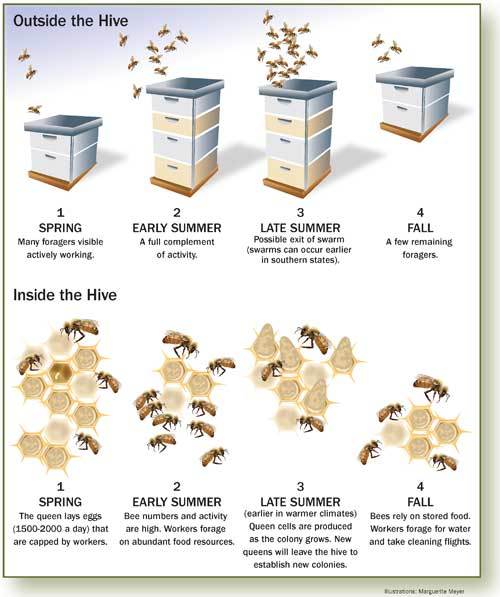
Credit: www.pollinator.org
Record Keeping
Keeping accurate records is crucial for successful beekeeping. It helps track hive health, honey production, and environmental factors. Good record keeping allows beekeepers to make informed decisions throughout the year.
Log Hive Inspections
Regular hive inspections are essential. Record each inspection in a log. Note the date, hive condition, and any issues found. Keep track of pest infestations or diseases. Document the queen’s presence and brood pattern. These logs help identify trends and take timely actions.
Track Honey Production
Monitor honey production throughout the seasons. Record the amount of honey harvested from each hive. Note the dates of extraction and total yield. Tracking honey production helps understand hive performance. It also helps plan for future harvests and market supply.
Note Weather Patterns
Weather significantly impacts bee activity and hive health. Keep a record of weather conditions. Note temperature, rainfall, and any extreme weather events. Correlate weather patterns with hive performance. This information helps predict potential challenges and prepare accordingly.
Frequently Asked Questions
What Are Spring Beekeeping Tasks?
Spring tasks include inspecting hives, feeding bees, and adding supers. Check for queen health and monitor for diseases.
How To Prepare Bees For Summer?
Ensure ample space and ventilation. Monitor for swarming. Provide water sources and check for pests frequently.
What Are Fall Beekeeping Activities?
In fall, reduce hive entrances, combine weak colonies, and treat for mites. Ensure sufficient honey stores for winter.
How To Winterize Beehives?
Insulate hives, reduce entrances, and ensure proper ventilation. Remove excess supers and check for pests regularly.
Conclusion
Every season brings unique beekeeping tasks. Spring focuses on hive growth. Summer requires honey harvesting and hive inspections. Fall involves preparing for winter. Winter means monitoring and providing food. Successful beekeeping needs attention year-round. Stay committed and enjoy the journey.
Bees reward your care with honey. Happy beekeeping!
