
Obtaining And Assessing Varroa Mite Count: Essential Beekeeping Guide
Varroa mites are a big threat to honeybee colonies. They can weaken and even destroy hives.
To keep your bees healthy, you must monitor these mites closely. Obtaining and assessing Varroa mite count is crucial for every beekeeper. This process helps you understand the infestation level and decide on treatment. Without regular checks, your hive may suffer.
In this post, we will explore how to obtain and assess Varroa mite counts. We will provide clear steps and tips to make this task easier. By the end, you will know how to keep your bees safe from these harmful pests. Stay with us to learn more about managing Varroa mites effectively.

Credit: www.pinterest.com
Introduction To Varroa Mites
Varroa mites are tiny parasites. They target honeybee colonies. These mites are a big threat to beekeeping.The mites latch onto bees. They feed on their body fluids. This weakens the bees. It spreads diseases. Colonies can collapse if left unchecked.
Impact On Beekeeping
Varroa mites harm bee health. Bees become weak and sick. Honey production drops. The colony may die. Beekeepers spend more time and money to control mites.
These mites are a global issue. They affect beekeepers everywhere. Keeping mite numbers low is crucial. It helps maintain healthy colonies.
Identification And Biology
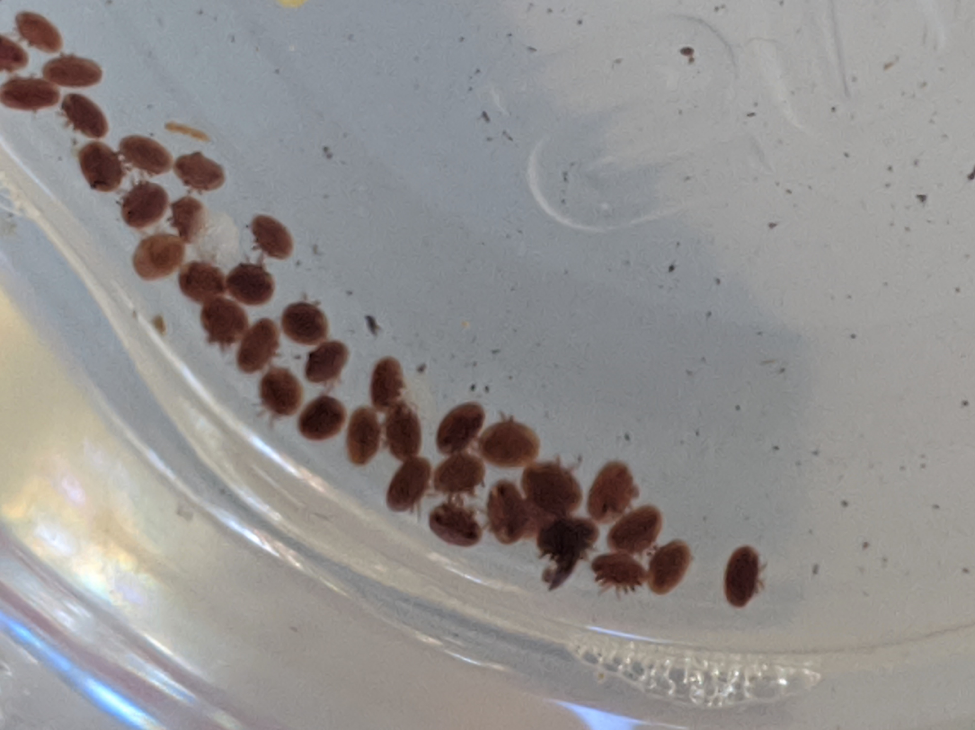
Varroa mites are small. They are reddish-brown. Adult mites are about 1.5 mm long. They are visible to the naked eye. Mites prefer drone brood. They reproduce there.
The mites have eight legs. They cling to bees. They move from bee to bee. This spreads the infestation.
Understanding their life cycle helps. It aids in controlling them. The life cycle has two phases. The phoretic phase occurs on adult bees. The reproductive phase occurs inside the brood cells.
Credit: www.mdpi.com
Importance Of Monitoring Varroa Mite Counts
Monitoring Varroa mite counts is crucial for beekeepers. These tiny parasites can devastate bee colonies. Regular checks can prevent serious problems. Beekeepers must understand the importance of keeping Varroa mites in check.
Preventing Colony Collapse
Varroa mites weaken bee colonies. They feed on bee larvae and adults. This can lead to colony collapse. Monitoring helps detect infestations early. Early action can save the colony.
High mite counts mean trouble. Bees become more prone to diseases. The hive’s strength declines. Beekeepers need to act quickly. Proper monitoring allows timely interventions.
Ensuring Hive Health
Healthy hives produce more honey. Varroa mites threaten hive health. Regular mite counts help maintain strong hives. Beekeepers can treat infested hives promptly.
Low mite levels ensure better bee health. Healthy bees work efficiently. Monitoring supports hive productivity. Strong hives survive better through seasons.
Equipment Needed For Varroa Mite Counting
Counting Varroa mites is crucial for maintaining healthy bee colonies. Specific equipment is essential to perform accurate counts. Gathering the right tools and gear ensures the process is efficient and safe.
Essential Tools
A sugar roll kit is a must-have. It helps dislodge mites from bees. You will need a mason jar with a mesh lid. Use a cup to scoop bees into the jar. Powdered sugar is needed to dust the bees. A white surface, like a piece of paper, is useful to see the mites.
An alcohol wash kit is another option. This method uses rubbing alcohol to separate mites from bees. A mason jar, a mesh lid, and alcohol are the main components. A white container helps in counting the mites.
Safety Gear
Wearing protective clothing is important. A beekeeping suit or jacket is recommended. Gloves protect your hands from stings. A veil shields your face and neck.
Always use a smoker. It calms the bees and reduces aggression. A hive tool is useful for handling frames. Ensure your safety gear is in good condition. This minimizes the risk of injury while working with bees.
Methods For Counting Varroa Mites
Monitoring Varroa mite levels in your beehive is crucial for maintaining bee health. There are several methods to count Varroa mites. Each method has its benefits and limitations. Here, we explore two popular and effective methods.
Sugar Shake Method
The sugar shake method is a non-lethal way to count mites. It involves using powdered sugar to dislodge mites from bees. First, collect about 300 bees in a jar. Add two tablespoons of powdered sugar. Shake the jar for one minute. This makes the mites fall off the bees.
Next, pour the contents onto a white surface. The mites will be visible against the white background. Count the mites. Return the bees to the hive. This method is quick and does not harm the bees.
Alcohol Wash Method
The alcohol wash method is another effective way to count mites. It is more accurate but kills the bees. First, collect about 300 bees in a jar. Add enough rubbing alcohol to cover the bees. Shake the jar for one minute. This will dislodge the mites from the bees.
Pour the mixture through a fine mesh sieve. The mites will pass through and can be counted. This method is precise but should be used sparingly due to its lethal nature.
Performing A Sugar Shake Test
Performing a sugar shake test is a popular method to assess varroa mite infestation in bee colonies. It is simple and non-lethal to bees. Beekeepers use this test to monitor and control varroa mite levels. Regular monitoring helps maintain bee health and productivity.
Step-by-step Guide
First, gather your materials. You will need a jar with a mesh lid, powdered sugar, and a white surface or pan.
Next, collect about 300 bees from the brood frame. Ensure you avoid collecting the queen bee.
Place the bees into the jar and add a few tablespoons of powdered sugar.
Cover the jar with the mesh lid and shake it gently for one minute. This process dislodges the mites from the bees.
After shaking, dump the sugar onto a white surface. The white background makes the mites visible.
Count the number of mites you see. This number helps determine the level of infestation.
Interpreting Results
If you count fewer than 3 mites, the infestation is low. No immediate action is needed.
Finding 3 to 9 mites indicates a moderate infestation. Consider treatment to prevent further spread.
If you count more than 9 mites, the infestation is high. Immediate treatment is necessary to protect your colony.
Regularly performing this test helps track mite levels. Early detection and treatment keep your bees healthy.
Conducting An Alcohol Wash Test
Conducting an Alcohol Wash Test is essential to monitor Varroa mite levels. This test gives accurate results, helping beekeepers manage their colonies. Regular testing keeps the bee population healthy. Below, find the detailed procedure and insights on its accuracy and reliability.
Detailed Procedure
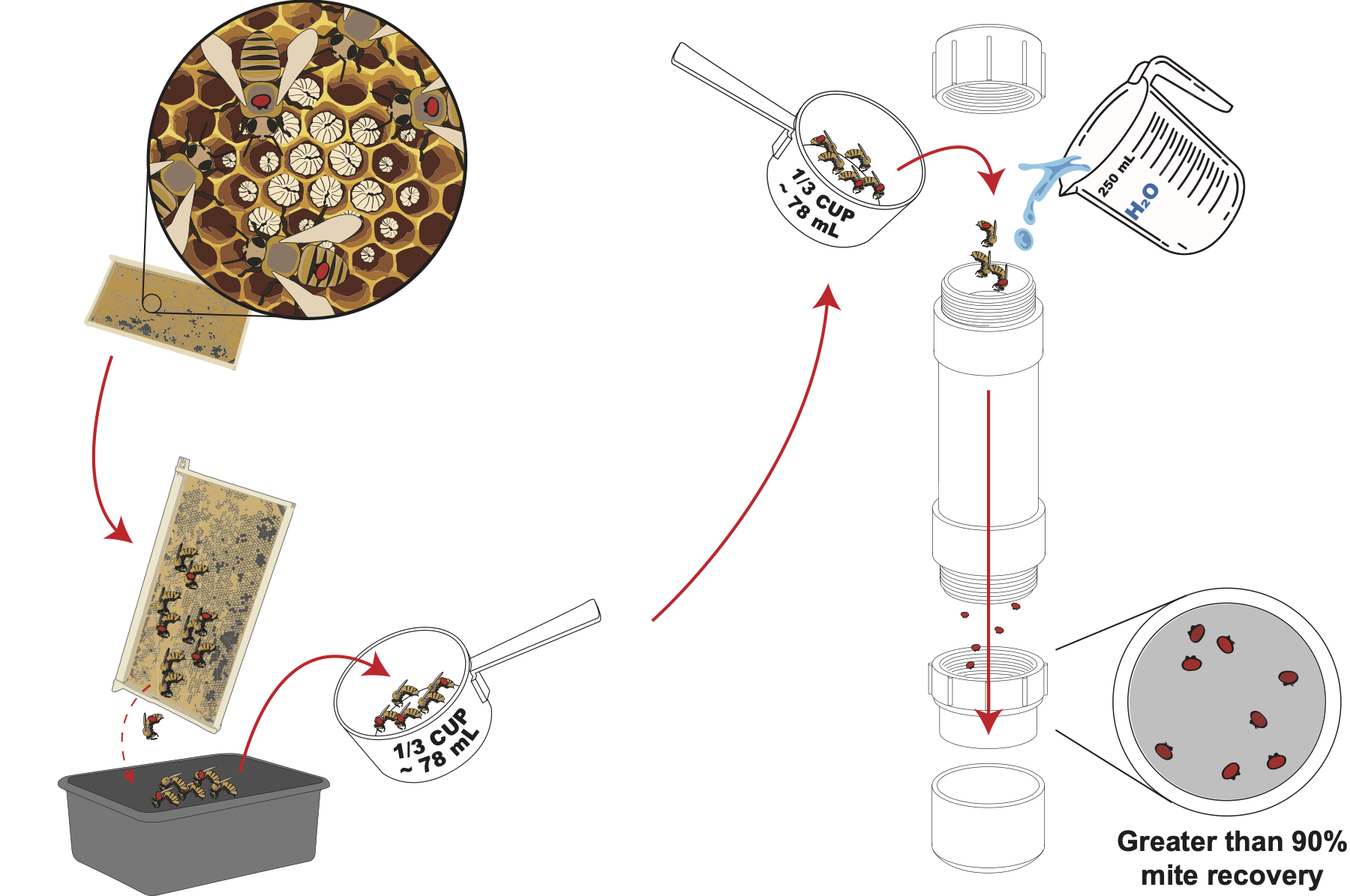
First, gather your materials. You need a mason jar, alcohol, a strainer, and a measuring cup. Select a frame from the brood nest. Gently shake the frame to make the bees fall into a bucket. Scoop about 300 bees into the mason jar.
Next, pour enough alcohol into the jar to cover the bees. Secure the lid tightly. Shake the jar for one minute. This dislodges the mites from the bees. After shaking, pour the mixture through a strainer into another container.
Count the mites collected in the strainer. Compare this number to the original number of bees. This gives you the mite infestation rate. Record your results for future reference.
Accuracy And Reliability
The alcohol wash test is very accurate. It captures most of the mites present on the bees. This method is reliable for detecting low levels of infestation. It provides clear data for managing mite populations.
Regular testing with this method helps track mite levels over time. Consistency in testing ensures you get reliable data. This helps in making informed decisions about mite control strategies. Beekeepers trust this test for its precision and ease of use.
Assessing And Analyzing Varroa Mite Data
Effective beekeeping requires regular assessment of Varroa mite infestations. Accurate data collection helps in making informed decisions for controlling these pests. This section covers the process of recording counts and understanding threshold levels.
Recording Counts
Keeping detailed records of Varroa mite counts is essential. Regular checks on your hives allow you to track changes over time.
Use a consistent method to count mites. One popular method is the sugar shake test. Another is the alcohol wash. Both methods involve shaking bees in a container to dislodge mites.
Record the number of mites found per 300 bees. Keep a log of these counts. A simple table can help:
| Date | Hive Number | Mite Count |
|---|---|---|
| 2023-01-01 | Hive 1 | 5 |
| 2023-01-15 | Hive 1 | 7 |
Threshold Levels
Understanding threshold levels is crucial. These levels tell you when action is needed. Generally, a count of 3-5 mites per 300 bees signals the need for treatment.
Different regions may have varying thresholds. Always check local guidelines. Treating hives too early or too late can harm the bees more than the mites.
Consider these steps:
- Count mites regularly.
- Compare counts with threshold levels.
- Plan treatments accordingly.
Keeping your bees healthy requires vigilance. Regular assessment and accurate data collection are key.
Effective Varroa Mite Management Strategies
Effective Varroa mite management is essential for keeping healthy bee colonies. Varroa mites can cause significant harm, weakening bees and spreading diseases. Implementing robust strategies to control these mites is crucial for beekeepers.
Chemical Treatments
Chemical treatments are widely used to control Varroa mites. These treatments include synthetic chemicals and organic acids. Each type has its pros and cons.
Synthetic chemicals like Apivar and Apistan are popular. They are effective but can lead to resistance if overused. It’s important to rotate chemicals to prevent resistance.
Organic acids like oxalic acid and formic acid are also effective. They are less likely to cause resistance and are safer for bees. However, they require careful handling and application.
| Chemical Type | Examples | Pros | Cons |
|---|---|---|---|
| Synthetic Chemicals | Apivar, Apistan | Highly effective | Risk of resistance |
| Organic Acids | Oxalic Acid, Formic Acid | Safe for bees | Requires careful handling |
Integrated Pest Management
Integrated Pest Management (IPM) combines multiple strategies. It aims to keep Varroa mites below harmful levels without relying solely on chemicals.
IPM involves:
- Monitoring mite levels regularly
- Using mechanical controls like screened bottom boards
- Employing biological controls such as predator mites
- Practicing good hive management
Monitoring is crucial. It helps decide when and how to intervene. Mechanical controls can reduce mite numbers without chemicals. Biological controls introduce natural enemies of Varroa mites.
Good hive management includes maintaining strong colonies and ensuring proper nutrition. Healthy bees are more resistant to mites and diseases.
Seasonal Considerations For Varroa Management
Managing Varroa mites is crucial for healthy bee colonies. The mites weaken bees, making them vulnerable to diseases. Effective management depends on understanding the mites’ lifecycle. Different seasons require different actions to keep the mite population under control. Below are key strategies for each season.
Spring And Summer Actions
Spring is a critical time for assessing Varroa mite levels. As the weather warms, bees become more active, and so do the mites. Start by performing a sugar roll test or an alcohol wash to estimate the mite count.
During late spring, consider using mite treatments. Follow the instructions for the treatment you choose. Ensure there is no honey flow to prevent contamination. Organic acids like formic acid can be effective and safe.
In summer, regularly monitor the mite levels. Use a sticky board under the hive to catch falling mites. This helps you see if the treatments are working. Continue to inspect the hive every two weeks.
Fall And Winter Preparations
In fall, bees prepare for winter. This is a crucial time to reduce the Varroa mite population. High mite counts can lead to colony collapse during winter. Perform a mite count using the powdered sugar method or another reliable method.
If mite levels are high, apply a fall treatment. Oxalic acid dribble or vaporization works well in cooler temperatures. Ensure the bees have enough food stores to survive winter.
| Season | Action | Method |
|---|---|---|
| Spring | Mite Count | Sugar Roll, Alcohol Wash |
| Summer | Monitor Levels | Sticky Board |
| Fall | Treat Mites | Oxalic Acid |
In winter, the bees cluster to stay warm. Mite treatments are usually not recommended. Instead, focus on hive insulation and ventilation. Regularly check the hive’s entrance for any blockages. Ensure the bees have enough food and are not disturbed.
Credit: scientificbeekeeping.com
Conclusion And Best Practices
Obtaining and assessing Varroa mite count is crucial for beekeepers. Proper monitoring and management of these mites help maintain healthy bee colonies. Here, we will explore regular monitoring and sustainable beekeeping practices.
Regular Monitoring
Regular monitoring of Varroa mite levels is essential. Weekly checks can help detect mite infestations early. This allows for timely intervention and treatment. Use methods such as sugar shake, alcohol wash, or sticky boards. Each method provides accurate mite counts. Ensure you record your findings. Keeping detailed records helps track trends and assess treatment effectiveness.
Sustainable Beekeeping
Sustainable beekeeping practices are vital for long-term health. Use integrated pest management (IPM) strategies. Combine biological, mechanical, and chemical controls. Rotate treatments to prevent mite resistance. Avoid using harsh chemicals that harm bees. Promote natural mite resistance through selective breeding. Encourage genetic diversity in your colonies. Healthy bees can better resist mite infestations.
Frequently Asked Questions
What Is A Varroa Mite?
A Varroa mite is a parasitic pest that affects honeybees. It weakens bees by feeding on their bodily fluids.
How Do You Count Varroa Mites?
To count Varroa mites, use methods like sugar shake, alcohol wash, or sticky boards. Each method helps estimate mite levels.
Why Is Assessing Varroa Mite Count Important?
Assessing Varroa mite count is crucial for bee health. High mite levels can weaken or kill bee colonies.
What Tools Are Needed For Varroa Mite Assessment?
Tools needed include a sugar shake jar, alcohol wash container, and sticky boards. These help collect and count mites.
Conclusion
Regularly check varroa mite counts for healthy bees. Accurate assessments prevent infestations. Simple methods work best. Consistent monitoring saves your hive. Healthy bees produce better honey. Effective management ensures long-term success. Stay vigilant, keep your bees thriving.

