How Many Honeybees Live in a Colony? Discover the Astonishing Numbers
A typical honeybee colony has between 20,000 and 80,000 bees. This number can vary based on the season and the health of the hive.
Honeybees are fascinating creatures. They live in large colonies that work together like a well-oiled machine. Each bee has a specific role, from gathering food to protecting the hive. Knowing the number of bees in a colony helps us understand their complex social structure.
In this blog post, we’ll explore how many honeybees live in a colony and what factors affect their population. You’ll gain insight into the life of these busy insects and why they are so vital to our environment. Stay with us to uncover the secrets of the hive.

Credit: askabiologist.asu.edu
Introduction To Honeybee Colonies
Honeybee colonies are complex and fascinating communities. Each colony functions as a single entity, with thousands of bees working together. Understanding these colonies helps us appreciate their role in nature. A colony is often referred to as a superorganism due to its highly organized structure.
Role Of The Colony
The colony serves as a home for the honeybees. It provides protection and sustenance. Inside the colony, each bee has a specific role. These roles ensure the colony’s survival.
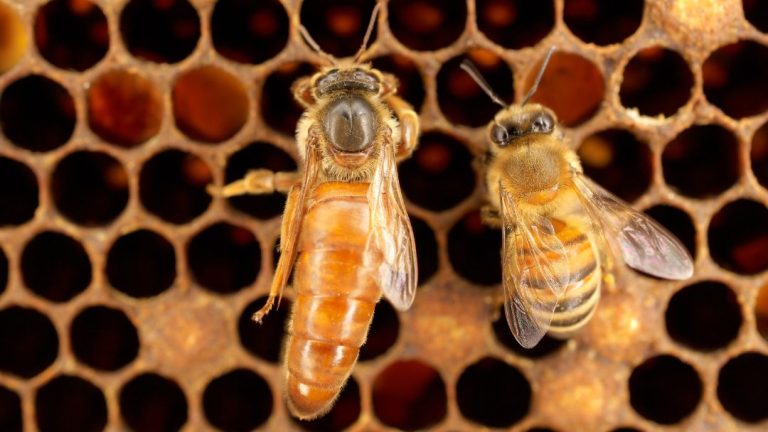
The queen bee is the colony’s mother. She lays all the eggs. Worker bees, which are all female, gather nectar and pollen. They also take care of the queen and larvae. Drone bees are males. Their main job is to mate with a new queen.
Importance Of Bees
Bees are crucial for pollination. They help plants reproduce by transferring pollen. This process supports food production. Without bees, many crops would fail.
Bees also produce honey and beeswax. These products have economic value. Honey is a natural sweetener, and beeswax is used in candles and cosmetics.
| Bee Type | Role |
|---|---|
| Queen Bee | Lays eggs |
| Worker Bee | Gathers nectar and pollen, cares for queen and larvae |
| Drone Bee | Mates with new queen |
Structure Of A Honeybee Colony
A honeybee colony is a complex social structure. Each bee has a specific role. This ensures the colony thrives. The colony functions smoothly because of this organization. Let’s explore the key members.
Queen Bee
The queen bee is the heart of the colony. She is the only fertile female. Her main job is to lay eggs. A queen bee can lay up to 2,000 eggs in a day. She also releases pheromones to maintain harmony. These chemicals keep the colony united. The queen bee can live up to five years.
Worker Bees
Worker bees are female bees. They do not reproduce. Their lifespan is about six weeks. They have many tasks. These include:
- Foraging for nectar and pollen
- Building and repairing the hive
- Caring for the queen and larvae
- Guarding the hive
- Producing honey
Worker bees are essential for the colony’s survival. They are the busiest members of the hive.
Drones
Drones are male bees. They do not have stingers. Their primary role is to mate with a queen. Drones do not collect food. They rely on worker bees for nourishment. After mating, drones die. Only a few drones are necessary for reproduction. Drones are often expelled from the hive in winter.
Lifecycle Of Honeybees
The lifecycle of honeybees is fascinating and complex. Each bee in the colony has a specific role, from the queen to the workers and drones. Understanding their lifecycle helps us appreciate how a colony functions and thrives.
Egg To Adult
The journey from egg to adult bee is a critical phase. The queen bee lays eggs in the honeycomb cells. Each egg hatches into a larva within three days.
Workers feed the larvae royal jelly initially. After a few days, they switch to a mixture of pollen and honey. This stage lasts about six days.
Next, the larvae spin cocoons and enter the pupal stage. This is where they undergo metamorphosis. In about 12 days, the pupae transform into adult bees.
The entire process, from egg to adult, takes around 21 days for worker bees. Drones and queens have different timelines.
Lifespan Of Different Bees
| Type of Bee | Average Lifespan |
|---|---|
| Queen Bee | 2-5 years |
| Worker Bee | 6 weeks (summer) |
| Drone Bee | 8 weeks |
The lifespan of honeybees varies significantly based on their role. The queen bee, for example, can live between two and five years. Her primary job is to lay eggs and ensure the colony’s growth.
Worker bees, on the other hand, have a much shorter lifespan. In summer, they live for about six weeks. They perform various tasks, such as foraging, nursing, and guarding the hive.
Drones, the male bees, live for about eight weeks. Their main purpose is to mate with the queen. After mating, drones usually die shortly after.
Understanding the lifecycle and lifespan of honeybees provides insight into the colony’s dynamics. Each bee plays a vital role, contributing to the hive’s overall health and productivity.
“`Population Dynamics
Understanding the population dynamics of a honeybee colony is fascinating. The number of bees in a colony changes throughout the year. This change is influenced by various factors. Let’s explore these dynamics in detail.
Seasonal Changes
Honeybee colonies experience significant seasonal changes in population. In spring and summer, the colony grows rapidly. This is due to the increased activity and breeding. During these seasons, a colony can have between 30,000 and 60,000 bees.
In autumn, the population starts to decrease. The queen lays fewer eggs, and many worker bees die. Winter brings a further decline. The colony reduces to 5,000 to 10,000 bees. This helps the colony to survive the cold months.
Colony Growth Factors
Several factors influence the growth of a honeybee colony. These include the availability of food, the health of the queen, and environmental conditions.
- Food Availability: Abundant nectar and pollen lead to higher reproduction rates.
- Queen’s Health: A healthy queen can lay up to 2,000 eggs per day.
- Environmental Conditions: Favorable weather supports foraging and breeding activities.
These factors are crucial for the colony’s growth and survival. Understanding them helps in maintaining healthy bee colonies.
Estimating Colony Size
Estimating the size of a honeybee colony can be fascinating. It provides insights into the health and productivity of these essential pollinators. Understanding colony size helps beekeepers manage their hives better. This knowledge ensures the well-being of the bees and the success of their honey production.
Typical Colony Numbers
A typical honeybee colony houses thousands of bees. During peak seasons, a colony usually contains between 30,000 to 60,000 bees. This number includes the queen, worker bees, and drones. The size may vary based on the time of year and the health of the colony.
Factors Influencing Size
Several factors affect the size of a honeybee colony. The availability of food sources is crucial. Abundant nectar and pollen lead to larger colonies. The health of the queen bee also plays a significant role. A strong, healthy queen can lay up to 2,000 eggs per day, boosting colony numbers.
Seasonal changes also impact colony size. Colonies expand during spring and summer due to favorable conditions. In contrast, winter sees a reduction in numbers as bees conserve resources. Beekeeping practices, such as hive management and disease control, further influence colony size.
Impact Of Environment
The environment plays a crucial role in the population of honeybee colonies. Various environmental factors can significantly impact the number of bees living in a colony. These factors include climate and availability of resources. Let’s explore how these elements influence honeybee colonies.
Climate Effects
Climate greatly affects honeybee colonies. In regions with harsh winters, colonies tend to be smaller. This is because fewer bees can survive the cold. Conversely, in warmer climates, colonies can grow larger. Mild temperatures allow bees to stay active longer. This results in bigger populations within the colonies.
Availability Of Resources
The availability of resources also impacts honeybee colony size. Bees need flowers for nectar and pollen. In areas with abundant flowers, colonies thrive. They have ample food to support a large number of bees. On the other hand, in areas with fewer flowers, colonies struggle. Less food means fewer bees can be sustained. This leads to smaller colonies.
Human Influence On Colonies
Humans have a significant impact on honeybee colonies. From beekeeping practices to agricultural activities, our actions affect the health and size of these colonies. Understanding these influences can help us support honeybee populations better.
Beekeeping Practices
Beekeeping has grown in popularity. Beekeepers manage colonies to produce honey, beeswax, and other products. They also help in pollination.
Beekeeping practices can influence colony size. Here are some practices and their impacts:
- Hive Management: Regularly inspecting hives helps keep bees healthy. It prevents diseases and pests.
- Supplementary Feeding: Beekeepers may feed bees sugar syrup or pollen substitutes. This supports the colony, especially in winter.
- Swarm Control: Controlling swarms prevents colony loss and maintains hive population.
Agricultural Impact
Agriculture plays a role in honeybee colony health. Pesticides and habitat loss are major concerns. Let’s break down their effects:
| Pesticides | Habitat Loss |
|---|---|
| Pesticides can harm bees. They affect their ability to forage and navigate. | Habitat loss reduces forage areas. Bees need diverse plants for nutrition. |
| Some pesticides are toxic. They can kill bees on contact. | Urbanization and monoculture farming contribute to habitat loss. |
Farmers can support bees by using bee-friendly practices. Planting diverse crops and reducing pesticide use helps. Creating wildflower areas also benefits bees.

Credit: wisconsinbumblebees.entomology.wisc.edu
Conservation Efforts
The survival of honeybee colonies is crucial. Conservation efforts help protect these important pollinators. By addressing threats and supporting their habitats, we can ensure their survival.
Protecting Bee Populations
Protecting bee populations requires various strategies. Reducing pesticide use is one key effort. Pesticides harm bees and their hives. Choosing natural pest control methods can help.
Creating safe habitats is another strategy. Planting bee-friendly flowers provides food for bees. Native plants are the best choice. They offer the most suitable nectar and pollen.
Supporting local beekeepers is also important. Beekeepers maintain healthy colonies. They can help monitor bee health and report problems. Buying local honey supports their efforts.
Supporting Biodiversity
Supporting biodiversity benefits honeybees. Diverse ecosystems provide better resources. Different plants offer various nutrients for bees.
Monoculture farming is a threat. It reduces plant variety and limits bee food sources. Encouraging diverse planting can help. Farmers can plant cover crops and wildflowers. These provide food for bees throughout the year.
Urban areas can also support bees. Creating green spaces in cities helps. Community gardens and parks can include bee-friendly plants. Even small spaces like balconies can have flowers. Every little bit helps.
| Action | Benefit |
|---|---|
| Reduce pesticide use | Protects bee health |
| Plant native flowers | Provides food for bees |
| Support local beekeepers | Maintains healthy colonies |
| Encourage diverse planting | Supports bee nutrition |
| Create urban green spaces | Helps urban bee populations |

Credit: adventuresinbeeland.com
Frequently Asked Questions
How Many Honeybees Are In A Colony?
A honeybee colony typically consists of 20,000 to 80,000 bees. This number varies depending on the season and the health of the colony.
What Is The Role Of The Queen Bee?
The queen bee’s primary role is to lay eggs. She can lay up to 2,000 eggs per day, ensuring the colony’s growth.
How Long Do Worker Bees Live?
Worker bees usually live for about 6 weeks during the active season. In winter, they can live up to 5 months.
Why Is The Honeybee Colony Important?
Honeybee colonies are crucial for pollination. They help in the reproduction of many plants, contributing to biodiversity and agriculture.
Conclusion
Honeybees are fascinating creatures. Their colonies thrive with thousands of members. Each bee plays a vital role. The queen, workers, and drones all contribute. This teamwork ensures the colony’s survival. Understanding their numbers helps appreciate their complex lives. Next time you see a bee, remember their bustling community.
Their world is busy, organized, and vital for nature. Learning about honeybees deepens our respect for them. Keep exploring and stay curious about these amazing insects.