
What Bees Need: Essential Resources for Thriving Colonies
Bees are vital for our ecosystem. They help pollinate plants, ensuring food production.
Understanding what bees need can help us support their survival. Bees require specific conditions to thrive. They need a safe habitat, plenty of flowers, and clean water. Without these essentials, their populations decline. This decline impacts our environment and food supply.
By learning about their needs, we can create better environments for them. This not only helps bees but also benefits our planet. So, let’s explore what bees need and how we can provide it. This knowledge is crucial for their survival and our well-being.
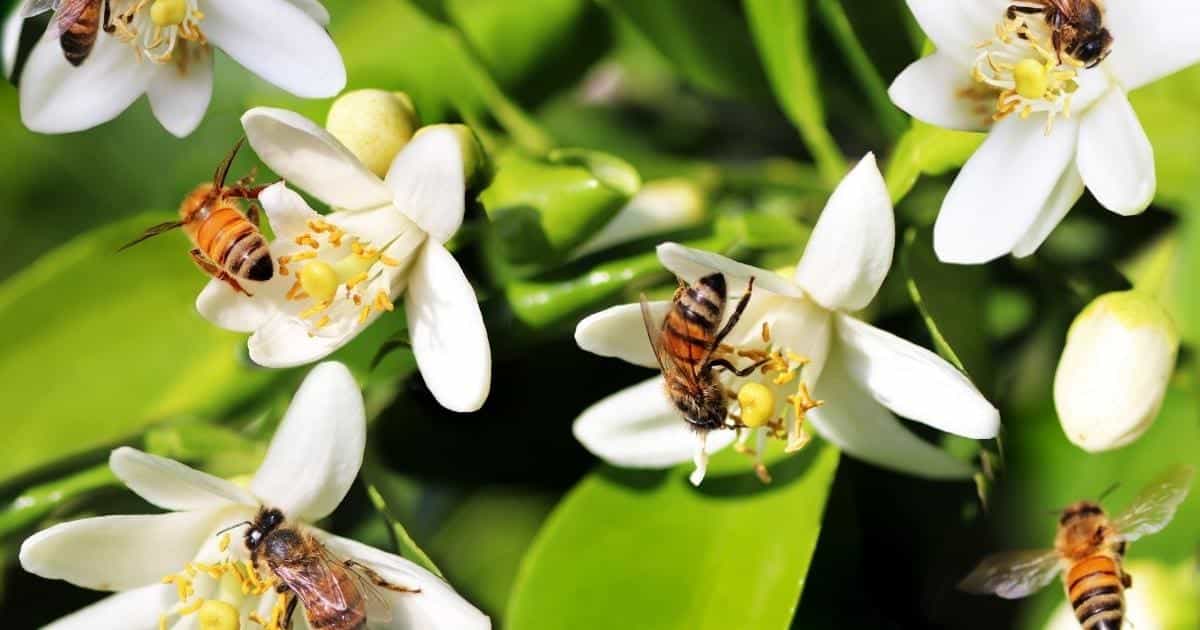
Credit: www.bensbees.com.au
Habitat Requirements
Bees play a vital role in our ecosystem. They need a proper habitat to thrive. Understanding their habitat requirements helps us support their survival. Below, let’s explore the essential elements of their habitat.
Shelter And Space
Bees need safe places to live. They often choose hollow trees or man-made structures. Space is important for their colonies. A healthy colony requires room to grow. Crowded spaces can lead to stress and diseases.
Temperature Control
Bees regulate their hive temperature carefully. They keep it warm during winter and cool in summer. Good ventilation helps them achieve this balance. Insulated hives protect them from extreme weather. A stable environment ensures their survival.
Nutritional Needs
Bees play a crucial role in pollinating plants. They need proper nutrition to stay healthy and active. Bees get their nutrients from pollen and nectar. These substances provide the essential vitamins, minerals, and energy they require.
Pollen Sources
Pollen is a primary source of protein for bees. It helps in their growth and development. Bees collect pollen from various flowers. Different flowers provide different types of pollen. This variety is important for a balanced diet. Bees need access to diverse flowering plants.
Some common pollen sources include sunflowers, clover, and dandelions. These plants are easy to grow and are loved by bees. Gardens with a mix of these plants attract more bees. Beekeepers can also plant these to boost bee health.
Nectar Availability
Nectar is a vital source of carbohydrates for bees. It provides the energy they need to fly and work. Bees collect nectar from blooming flowers. They then convert it into honey. This honey serves as their food reserve.
For bees to thrive, they need a steady supply of blooming flowers. Flowers like lavender, thyme, and wildflowers are excellent sources of nectar. These flowers should be available throughout the year. This ensures bees have a continuous food supply.
Creating a bee-friendly garden can help. Plant flowers that bloom in different seasons. This helps maintain nectar availability all year round. Both bees and your garden will benefit from this approach.
Water Supply
Water is crucial for bees. They need it for hydration, cooling the hive, and feeding larvae. A consistent and clean water supply ensures their survival and productivity. Let’s explore the importance of water and how to provide it.
Access To Clean Water
Bees require clean water for various hive activities. Contaminated water can harm their health. Providing access to clean water is essential.
Here are some ways to ensure clean water for bees:
- Use shallow containers to avoid drowning.
- Place pebbles or marbles in water sources.
- Refresh the water regularly.
- Avoid using chemicals near water sources.
Hydration Importance
Hydration is vital for bees, especially during hot weather. They use water to regulate hive temperature. Without proper hydration, bees can become weak and less productive.
Bee hydration supports:
- Hive cooling
- Larvae feeding
- Enzyme production
Ensuring a reliable water source helps maintain a healthy bee colony.
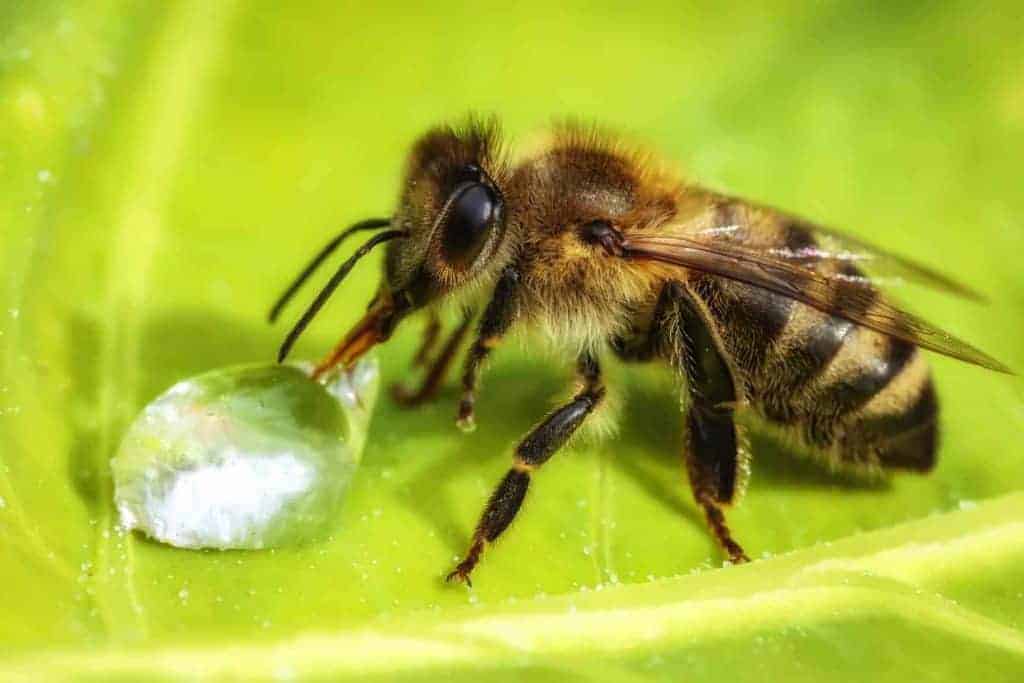
Credit: www.perfectbee.com
Floral Diversity
Bees play a crucial role in pollination. For them to thrive, they need access to a diverse range of plants. Floral diversity ensures that bees get varied nutrients and can continue their work year-round.
Variety Of Plants
Bees benefit from different types of plants. Each plant offers unique nectar and pollen. This variety supports bee health. Some bees prefer specific plants, while others are generalists. By having a range of flowers, we cater to the needs of different bee species.
Here are some plant types that attract bees:
- Wildflowers
- Herbs
- Fruit trees
- Vegetable plants
- Native plants
Seasonal Blooms
Bees need food throughout the year. Therefore, it’s important to have plants that bloom in different seasons. This ensures that bees always have access to nectar and pollen.
Consider planting these seasonal blooms:
| Season | Plants |
|---|---|
| Spring | Bluebells, Daffodils, Tulips |
| Summer | Lavender, Sunflowers, Clover |
| Autumn | Asters, Goldenrod, Sedum |
| Winter | Hellebores, Ivy, Winter Heather |
By ensuring a variety of plants and seasonal blooms, we can support our bee populations effectively. This approach helps maintain their health and ensures they can continue their essential work of pollination.
Pest And Disease Management
Effective pest and disease management is crucial for healthy bee colonies. Bees face threats from various pests and diseases. This section will cover common pests and ways to prevent diseases.
Common Pests
Bees encounter several pests that can harm their colonies. Varroa mites are one of the most harmful pests. These mites attach to bees and weaken them. Another common pest is the small hive beetle. They infest hives and lay eggs, leading to larvae that damage honeycombs.
Wax moths also pose a threat. They lay eggs in the hive, and their larvae eat the wax. This can destroy the hive structure. Ants are another problem. They invade hives and steal honey, causing stress to the bees.
Disease Prevention
Preventing diseases in bees is essential for their survival. Regular hive inspections help detect issues early. Keeping the hive clean reduces the risk of disease. Providing proper ventilation in the hive also helps. It prevents moisture buildup, which can lead to fungal growth.
Using screened bottom boards can help reduce mite infestations. They allow mites to fall out of the hive. Feeding bees a balanced diet strengthens their immune system. This helps them fight off diseases naturally.
It’s important to monitor bee behavior. Changes in activity or appearance can signal health problems. Quick intervention can save the colony from a serious outbreak.
Safe Environment
Creating a safe environment is vital for bees to thrive. Bees need specific conditions to live and work effectively. They are sensitive to their surroundings, and any disturbance can affect their health and productivity. Below, we discuss two key aspects of creating a safe environment for bees: Pesticide-Free Zones and Protected Areas.
Pesticide-free Zones
Pesticide-free zones are crucial for bee health. Pesticides can harm bees in many ways. They can damage their nervous systems, making it hard for them to find food. Bees exposed to pesticides may also bring harmful chemicals back to their hives. This can affect the whole colony.
To create a pesticide-free zone:
- Avoid using chemical pesticides in gardens.
- Opt for natural pest control methods.
- Plant a variety of flowers that bloom at different times.
Protected Areas
Protected areas offer a safe haven for bees. These areas are free from human interference and pollution. They provide a natural habitat where bees can forage and nest safely.
To establish protected areas:
- Set up bee sanctuaries in urban and rural settings.
- Ensure these areas have plenty of flowering plants.
- Maintain the area to keep it clean and safe.
Creating a safe environment for bees is not just beneficial for them. It also helps in maintaining a healthy ecosystem. Bees play a crucial role in pollination, which is vital for food production. Ensuring they have pesticide-free zones and protected areas is essential for their survival and the health of our planet.
Colony Health Monitoring
Colony health monitoring is essential for maintaining a thriving bee colony. Beekeepers must be vigilant to identify and address any issues early. This practice ensures the colony’s survival and productivity. Let’s explore the key steps in monitoring colony health.
Regular Inspections
Regular inspections are crucial for maintaining a healthy bee colony. Beekeepers should conduct inspections at least every two weeks during the active season. This helps in spotting issues early and prevents major problems.
During inspections, observe the hive’s overall condition. Check for signs of pests, diseases, and the presence of the queen. A thorough inspection includes the following steps:
- Examine the hive entrance for bee activity.
- Inspect the brood frames for healthy larvae and capped brood.
- Check for signs of pests like varroa mites or wax moths.
- Ensure there is enough food storage, like honey and pollen.
Health Indicators
Understanding health indicators is vital for identifying potential issues in a bee colony. Key indicators include:
| Indicator | Signs |
|---|---|
| Queen Presence | Look for eggs and young larvae. This indicates a laying queen. |
| Brood Pattern | A healthy brood pattern should be compact and consistent. |
| Pest Signs | Check for mites, beetles, or moths. Their presence can harm the colony. |
| Food Storage | Ensure there is sufficient honey and pollen stored. |
By keeping an eye on these indicators, beekeepers can take timely action to maintain colony health.
Role Of Beekeepers
Beekeepers ensure bees have a safe habitat, plentiful flowers, and clean water. They also protect bees from diseases and pests. Proper care helps bees thrive and produce honey.
Beekeepers play a crucial role in maintaining healthy bee populations. They ensure bees have a safe environment. Beekeepers also monitor the health of their hives. They manage the hives to prevent diseases and pests. Through their efforts, beekeepers support the bees’ ability to pollinate crops and produce honey. Their work impacts both agriculture and ecosystems positively.Supportive Practices
Beekeepers adopt various practices to support bees. They provide hives with proper ventilation. This helps bees regulate temperature. Beekeepers also supply bees with supplemental food during scarcity. They regularly inspect hives to spot issues early. This proactive approach helps keep the bees healthy.Community Involvement
Beekeepers often engage with their local communities. They educate the public about the importance of bees. Community workshops and events help spread awareness. Beekeepers also collaborate with local farmers. This ensures that farming practices do not harm bees. Through these efforts, beekeepers foster a bee-friendly environment. “`
Credit: www.amazon.com
Frequently Asked Questions
What Do Bees Need To Survive?
Bees need nectar and pollen from flowers for food. They also require water, shelter, and a healthy environment.
How Do Bees Find Food?
Bees locate food by using their keen sense of smell. They also rely on visual cues from flowers.
Why Is Water Important For Bees?
Water helps bees maintain hive humidity and cools the hive. It is essential for their survival.
What Types Of Flowers Do Bees Prefer?
Bees prefer flowers with bright colors and strong scents. They are particularly attracted to blue, purple, and yellow flowers.
Conclusion
Bees play a vital role in our ecosystem. They need flowers for nectar. Clean water is essential for their survival. Safe habitats protect them from harm. Avoid using pesticides in your garden. Plant bee-friendly flowers to support them. Bees also thrive in sunny, dry areas.
By helping bees, we support our environment. Simple actions can make a big difference. Let’s work together to keep our bees healthy and thriving.

