Observation Hive: Unlock the Secrets of Bee Behavior
Honey Garage is reader-supported. As an Amazon Associate we earn from qualifying purchases, at no extra cost to you. Read our affiliate disclosure.
An observation hive offers a unique way to learn about bees. It lets you watch their daily activities up close.
Observing bees in a hive can be fascinating and educational. You get to see how they work together, build their home, and make honey. This can be a great tool for schools, nature centers, or anyone interested in bees. With an observation hive, you can bring the wonders of the bee world into your own space.
It’s like having a mini ecosystem in your home or classroom. You’ll gain a deeper appreciation for these tiny but mighty creatures and their role in our environment. Curious to learn more about observation hives? Let’s dive in.
Introduction To Observation Hives
Observation hives provide a unique window into the world of bees. These hives allow us to study and enjoy the fascinating lives of bees without disturbing them. In this section, we will explore what an observation hive is and its purpose.
What Is An Observation Hive?
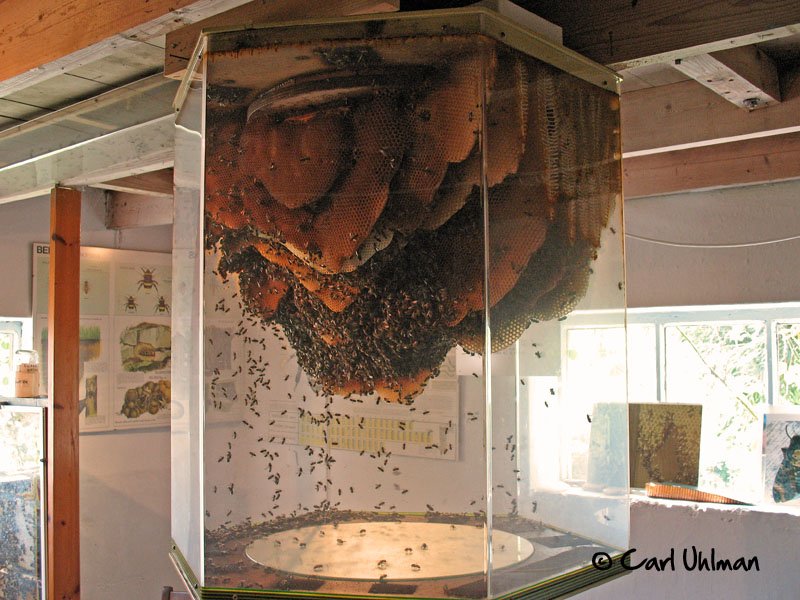
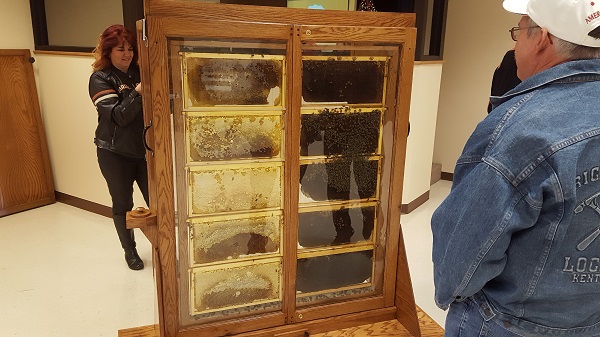
An observation hive is a special type of beehive. It has transparent walls, usually made of glass or clear plastic. These walls let you see inside the hive. You can watch the bees as they go about their daily activities.
Observation hives often have a small entrance and exit. This lets bees come and go freely. The hive stays connected to the outside world. Inside, the hive has frames that hold the honeycomb. These frames are similar to those in regular beehives.
Purpose Of Observation Hives
Observation hives serve several important purposes. They are valuable tools for education. Schools, museums, and nature centers use them to teach people about bees. Students can see how bees work together and learn about their roles.
These hives also help scientists. Researchers use them to study bee behavior. They can observe how bees communicate and make decisions. This research is crucial for understanding bee health and habits.
Beekeepers also benefit from observation hives. New beekeepers can learn hive management skills by watching bees. Experienced beekeepers can monitor hive conditions without disturbing the bees. This helps maintain a healthy hive.
Credit: entomology.ca.uky.edu
Setting Up Your Observation Hive
Setting up your observation hive can be a delightful experience. You can witness the fascinating world of bees right before your eyes. To get started, you need to consider a few important steps. These include choosing the right location and gathering essential equipment. Let’s dive in.
Choosing The Right Location
Selecting the perfect spot is crucial. Your bees need a safe and comfortable environment. Place your hive where it gets plenty of sunlight. Avoid areas with strong winds or heavy foot traffic. The location should be easy for you to access too. Remember, bees need a clear flight path. Ensure there are no obstacles blocking their way. A quiet corner of your garden or backyard often works best.
Essential Equipment
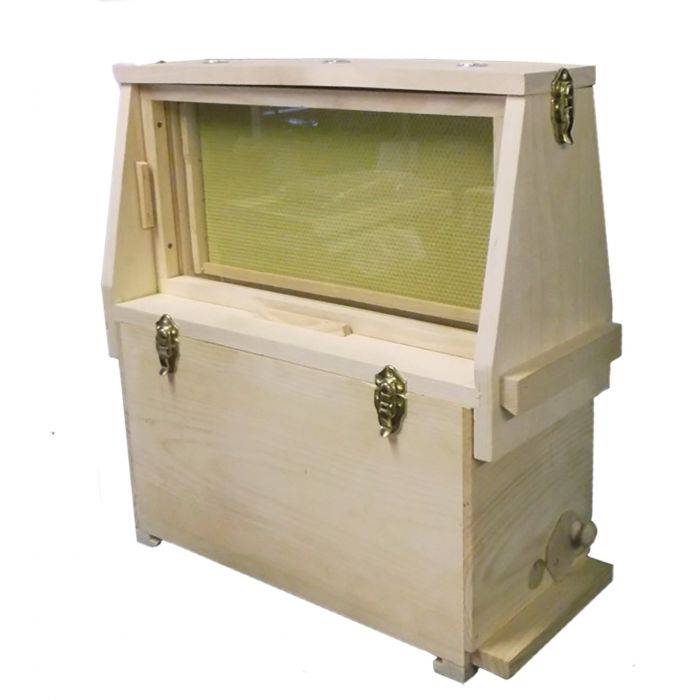
Gathering the right equipment ensures your hive runs smoothly. First, you need a good quality observation hive. These hives usually have clear panels. They allow you to see inside without disturbing the bees. Next, get a smoker. It helps calm the bees during inspections. A hive tool is also necessary. It helps you open the hive and move frames easily. Don’t forget protective gear. A bee suit, gloves, and veil keep you safe from stings. Finally, have a brush to gently move bees without harm. With the right tools, setting up your hive becomes much easier.
Installing Bees In The Hive
Installing bees in an observation hive is a crucial step. It requires careful planning and execution. Ensuring the health and safety of the bees is vital. Let’s break down the process into simple steps.
Selecting The Bee Colony
Selecting the right bee colony is the first step. Choose a healthy and active colony. Look for bees with a strong queen. The queen should be laying eggs. The colony should have a good mix of worker bees. Avoid colonies with visible diseases.
| Criteria | Details |
|---|---|
| Health | No diseases or pests |
| Queen | Active and egg-laying |
| Worker Bees | Good number and active |
Proper Installation Techniques
Follow proper techniques for installing bees into the hive. First, prepare the hive. Make sure it is clean and ready. Then, gently introduce the bees. Use a smoker to calm the bees. Carefully transfer the frames with bees into the hive. Ensure the queen is safely transferred. Observe the bees as they adjust to their new home.
- Prepare the hive
- Use a smoker to calm bees
- Gently transfer frames with bees
- Ensure queen is transferred safely
- Observe the bees’ adjustment
Credit: www.dadant.com
Daily Maintenance
Daily maintenance of an observation hive is crucial for its health and productivity. Regular checks ensure the bees are thriving and the hive remains clean. This practice helps in spotting problems early and keeps the hive environment optimal.
Feeding The Bees
Feeding the bees regularly is important. It ensures they have enough food, especially during off-seasons. Use sugar syrup or fondant as a substitute for nectar. Place the food near the hive entrance for easy access. Monitor the feeding to avoid overfeeding.
Cleaning And Upkeep
Cleaning and upkeep of the hive prevents diseases. Remove debris and dead bees regularly. Check for mold and mildew and clean the affected areas. Use a mild soap solution for cleaning. Avoid harsh chemicals that can harm the bees.
Inspect the hive for cracks and damages. Repair any issues immediately. Ensure proper ventilation to keep the hive dry. Regularly check the hive entrance to ensure it’s clear of obstructions.
Monitoring Bee Behavior
Observation hives offer a unique window into the world of bees. Watching bees in their natural habitat provides insights into their complex behaviors. This helps in understanding the hive’s health and productivity. It is fascinating to see how each bee has a specific role and how they interact with each other.
Identifying Bee Roles
Each bee in the hive has a distinct job. Worker bees gather nectar and pollen, nurse bees care for the larvae, and the queen bee lays eggs. Drones, the male bees, have the role of mating with the queen. Recognizing these roles helps in understanding the hive’s structure and efficiency.
Tracking Bee Activities
Observing bee activities reveals patterns and routines. Watch how foragers leave and return with resources. Note the way nurse bees tend to the young. Observe the queen as she moves across the comb, laying eggs. Tracking these activities provides clues about the hive’s overall health. It shows if the hive is thriving or facing challenges.
Credit: www.reddit.com
Seasonal Hive Management
Seasonal hive management is crucial for the health and productivity of your observation hive. Bees have different needs during various times of the year. Proper management ensures the hive stays strong and the bees remain healthy. Focusing on specific seasonal tasks can make a big difference.
Winter Preparation
Winter preparation is vital. Start by checking the hive’s food stores. Bees need enough honey to survive the cold months. Ensure the hive is properly insulated. This helps maintain a stable temperature inside the hive. Reduce the hive entrance to keep out cold winds. This also prevents robbing by other bees. Inspect for pests and treat if necessary. A healthy hive has a better chance of surviving winter.
Spring Expansion
Spring is a time of growth. As temperatures warm, bees become more active. Check the hive for brood patterns. A healthy queen will have a solid brood pattern. Add more frames or boxes if needed. This gives the colony space to expand. Monitor for signs of swarming. Providing enough space can help prevent swarms. Feed the bees if natural food sources are scarce. This supports their growth and productivity.
Educational Benefits
Observation hives provide a unique way to learn about bees. They offer many educational benefits. These hives allow people to see the inside of a bee colony. This helps students and the public understand bees better. Using observation hives, education can be engaging and interactive.
For Schools And Universities
Observation hives can be a great tool in classrooms. They help students see how bees work together. This can teach lessons in biology and ecology.
Teachers can create projects around the hive. Students can observe bee behavior. They can learn about the importance of bees in pollination. This hands-on learning is more memorable.
Universities can use observation hives for research. Students can study bee health and behavior. This can lead to new discoveries in science.
Public Awareness And Outreach
Observation hives can raise public awareness. They help people understand the role of bees. Bees are important for food production. Seeing bees at work can inspire people to protect them.
Many people fear bees. Observation hives can reduce this fear. People can see that bees are not aggressive. They can learn how to coexist with bees.
Community centers can use observation hives. This can create a sense of community. People can work together to care for the hive.
Troubleshooting Common Issues
Observation hives offer a unique way to monitor bee activity. Yet, they come with their own set of challenges. Here, we will address some common issues and how to troubleshoot them.
Health Problems
Bee health is crucial for a thriving hive. Here are some common health issues and their solutions:
- Varroa Mites: These parasites can devastate a hive. Perform regular inspections and use mite treatments.
- Nosema: A fungal disease that affects bee digestion. Treat with Fumagillin.
- Chalkbrood: A fungal infection that turns larvae into chalk-like mummies. Maintain good hive ventilation to prevent it.
- American Foulbrood (AFB): A deadly bacterial disease. Burn infected equipment to stop its spread.
Hive Security
Securing your observation hive is essential. Here are some tips to keep your bees safe:
- Physical Barriers: Install screens to keep out pests like mice and beetles.
- Weather Protection: Shield the hive from harsh weather. Use an insulated cover in winter.
- Ventilation: Ensure proper airflow to prevent moisture buildup. Moisture can lead to mold.
- Human Disturbance: Place your hive in a quiet area. Frequent disturbances stress the bees.
Observation hives require vigilance and care. Addressing these common issues will help maintain a healthy and secure hive.
Frequently Asked Questions
What Is An Observation Hive?
An observation hive is a beehive with glass or clear sides. It allows beekeepers and enthusiasts to observe bees’ activities.
Why Use An Observation Hive?
Using an observation hive helps in studying bee behavior. It also aids in educating the public about bees.
How To Maintain An Observation Hive?
Maintaining an observation hive involves regular cleaning. It also requires ensuring bees have enough food and monitoring their health.
Where To Place An Observation Hive?
Place an observation hive in a safe, shaded area. Ensure it has proper ventilation and is protected from predators.
Conclusion
Observation hives offer a fascinating glimpse into the world of bees. They help us understand bee behavior and their role in nature. This knowledge leads to better beekeeping practices and conservation efforts. An observation hive can be an educational tool for all ages.
It’s a small window into the complex lives of bees. So, consider setting one up to learn and appreciate these vital creatures. Your curiosity and care can make a big difference. Happy beekeeping!