Learning From Deadout Inspections: Essential Tips for Beekeepers
Honey Garage is reader-supported. As an Amazon Associate we earn from qualifying purchases, at no extra cost to you. Read our affiliate disclosure.
Beekeeping can be rewarding, but deadouts are frustrating. They offer valuable lessons, though.
Learning from deadout inspections helps beekeepers understand hive failures. By examining these colonies, you can identify problems and prevent future losses. Deadout inspections reveal issues like diseases, pests, or poor management practices. Recognizing these factors is crucial for maintaining healthy hives.
This process not only improves your beekeeping skills but also ensures the well-being of your bees. Let’s explore how you can learn from deadout inspections and turn setbacks into opportunities for growth.
Importance Of Deadout Inspections
Understanding the importance of deadout inspections is crucial for beekeepers. These inspections help identify and address issues within the hive. This ensures healthier colonies and better honey production.
Why They Matter
Deadout inspections reveal problems that led to the collapse of a hive. Knowing these problems helps prevent future losses. It also helps in improving hive management practices.
- Identify diseases and pests
- Understand environmental impacts
- Improve overall hive health
These inspections provide valuable data on hive conditions. Such data is essential for making informed decisions. This leads to healthier bees and better yield.
Benefits For Beekeepers
Conducting deadout inspections brings many benefits. Beekeepers can pinpoint the exact cause of a hive’s collapse. This insight helps in preventing similar issues in the future.
| Benefit | Details |
|---|---|
| Problem Detection | Early detection of diseases, pests, and environmental factors |
| Improved Management | Better hive management practices based on findings |
| Enhanced Productivity | Healthier bees lead to higher honey production |
Understanding the reasons behind a hive’s failure prevents repeating mistakes. This knowledge helps in maintaining a thriving apiary.
- Inspect the hive thoroughly
- Identify potential issues
- Implement corrective actions
Regular deadout inspections are a proactive approach to beekeeping. They ensure the long-term health and productivity of your hives.

Credit: www.perfectbee.com
Identifying Common Causes
Learning from deadout inspections helps beekeepers maintain healthy hives. Knowing the common causes of hive failure is essential. This section will cover environmental factors, pest, and disease issues.
Environmental Factors
Weather conditions can greatly impact hive health. Cold winters may freeze bees. Hot summers can cause dehydration. Beekeepers should monitor temperature changes. Ensure proper ventilation in hives. Protect hives from extreme weather.
Poor foraging conditions can starve bees. Lack of flowers means no food. Hives need a variety of plants. Planting bee-friendly gardens helps. Relocate hives if necessary.
Exposure to chemicals harms bees. Pesticides can kill entire colonies. Choose organic farming practices. Inform neighbors about your hives. They might reduce pesticide use.
Pest And Disease Issues
Varroa mites are a serious threat. These parasites weaken bees. Regular mite checks are vital. Use treatments if infestation occurs. Keep mite levels low.
Nosema disease affects bee digestion. It spreads through spores. Infected bees show weakness. Clean hives regularly. Provide clean water sources. Medication can help manage infections.
American foulbrood is a bacterial disease. It infects bee larvae. Spores spread quickly. Early detection is crucial. Remove and destroy infected frames. Use antibiotics carefully.
Wax moths damage hive structures. They lay eggs in combs. Larvae destroy wax. Keep hives strong and populated. Store extra combs in sealed containers. Use traps to catch moths.
Tools Needed For Inspections
Inspections of dead beehives can provide valuable insights. The right tools make the process easier and more effective. This section will cover the essential equipment and safety gear you need for deadout inspections.
Essential Equipment
A hive tool is necessary for any inspection. Use it to pry apart frames and scrape debris. A bee brush helps to gently remove bees from frames. A magnifying glass is useful to examine small details and signs of disease.
Bring a notepad and pen to record your observations. Taking notes helps track patterns and problems. A camera can capture important details for later analysis.
A smoker can calm any remaining bees. Use it sparingly to avoid disturbing the hive too much. Lastly, a flashlight is vital for inspecting dark areas within the hive.
Safety Gear
Wearing the right safety gear is crucial. Start with a bee suit to protect your body from stings. Ensure the suit covers your entire body, including your head and face.
Gloves are important to protect your hands. Choose gloves that are thick enough to prevent stings but flexible enough to handle tools easily.
Consider wearing boots that cover your ankles. Bees can crawl into shoes and sting. Make sure your boots are sturdy and comfortable for standing.
Always keep a first aid kit nearby. It should include items like antihistamines and sting relief treatments.
Step-by-step Inspection Guide
Learning from deadout inspections can help beekeepers understand hive issues. This guide provides a step-by-step approach for conducting these inspections. Following these steps ensures you gather valuable insights to improve hive management.
Preparing For The Inspection
Start with the right tools. Gather a bee suit, gloves, and a hive tool. Have a notebook or device for recording observations. Make sure the weather is good. Sunny and calm days are best. This ensures visibility and comfort.
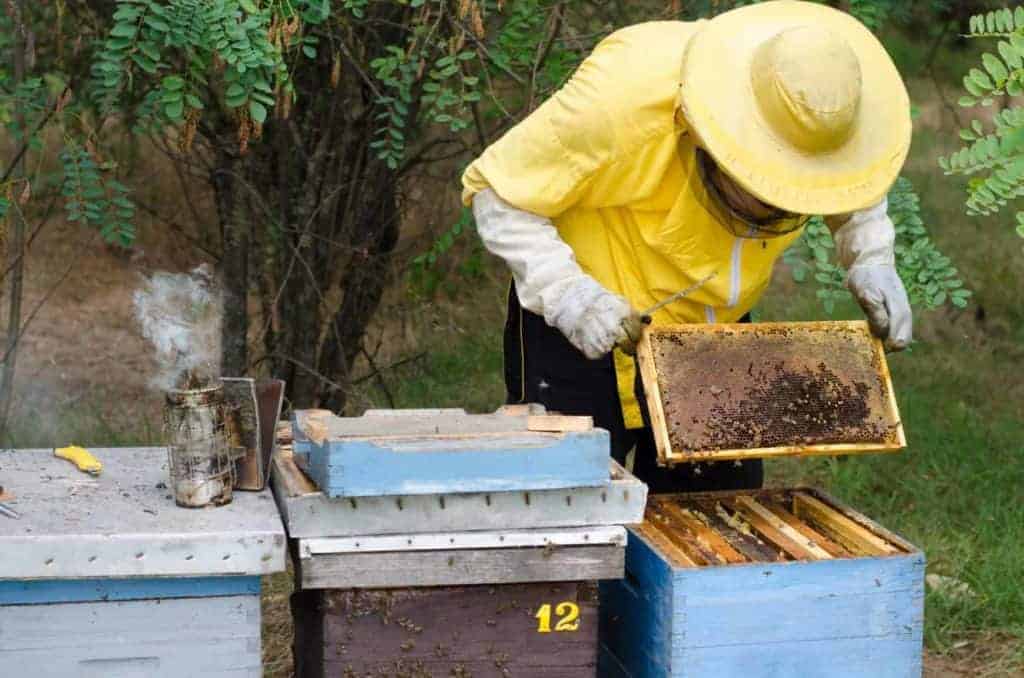
Approach the hive calmly. Bees might still be present, so stay cautious. Remove the hive cover slowly. Check for any immediate signs of trouble. Note anything unusual right away.
Conducting The Inspection
Begin with a general overview. Look at the hive exterior first. Check for damage or signs of pests. Open the hive and inspect each frame. Look for dead bees and larvae. This helps identify when the hive died.
Examine the brood frames. Are there signs of disease? Note any unusual patterns or colors. Check the food stores. Are there enough honey and pollen? This indicates if starvation was a factor.
Take your time. Make detailed notes. Photos can help too. After the inspection, clean your tools. Proper hygiene prevents the spread of disease.
Use your findings to improve future hive management. Understanding what went wrong helps prevent future losses. This step-by-step guide makes deadout inspections straightforward and effective.
Analyzing Hive Components
A deadout inspection provides valuable insights into your hive’s health. By analyzing hive components, you can identify issues that led to the colony’s demise. This section focuses on two critical aspects: examining frames and combs and checking for residues.
Examining Frames And Combs
Inspecting the frames and combs helps determine the cause of the hive’s failure. Look for the following indicators:
- Broken or damaged frames: Indicate physical damage or pest activity.
- Empty cells: Suggest the queen stopped laying eggs before the hive died.
- Pollen and honey stores: Assess food availability and the bees’ ability to gather resources.
Observe the condition of the combs. Healthy combs should be clean and well-structured. Signs of disease or pests can include:
- Moldy combs: Indicate moisture problems or poor ventilation.
- Chewed comb edges: Suggest wax moth or rodent activity.
- Discolored combs: May point to disease or chemical contamination.
Checking For Residues
Residues in the hive can tell a lot about the hive’s history. Check for the following:
- Varroa mite debris: Indicates high mite infestations which weaken the colony.
- Dead bees: Look at their position. Bees with heads in cells suggest starvation.
- Fecal matter: Spots on the frames or walls can indicate dysentery or Nosema.
These residues help you understand the final days of the hive. By analyzing these components, you can prevent future losses.
Documenting Findings
Documenting findings is crucial during deadout inspections. This process helps beekeepers understand what went wrong. Proper documentation also aids in future prevention. It ensures that no detail is overlooked. Every observation provides valuable insights.
Recording Observations
Write down everything you see. Note the condition of the hive. Check for signs of disease. Look for pests like mites or beetles. Record the number of dead bees. Describe their condition. Are they clustered together? Are they scattered? All these details matter. They help piece together the puzzle.
Taking Photographs
Photographs serve as visual evidence. Take clear pictures of the hive. Capture images of dead bees. Photograph any unusual signs. Use these photos for comparison. They help track changes over time. A picture can reveal what words might miss. Ensure your photos are well-lit and focused.
Interpreting Results
Interpreting results from deadout inspections helps beekeepers understand colony health. Analyzing these results can reveal valuable insights. You can take corrective measures to improve future hive management.
Identifying Patterns
Look for recurring issues in deadout inspections. Patterns can indicate consistent problems. Note common factors such as weather, pests, or disease. Recognizing these patterns helps address the root causes of colony loss.
Understanding Symptoms
Observe symptoms in the hive to pinpoint problems. Dead bees with tongues out suggest starvation. Mites on bees or in cells indicate infestation. Mold or moisture can signal poor ventilation. Identifying symptoms helps target specific issues.
Credit: www.perfectbee.com
Preventive Measures
Learning from deadout inspections can provide vital insights. These insights help beekeepers adopt effective preventive measures. This section focuses on strategies to prevent hive loss.
Improving Hive Management
Effective hive management is crucial. It ensures the health and productivity of your bees. Below are some key practices:
- Regular Inspections: Perform frequent checks. Identify issues early.
- Proper Ventilation: Ensure adequate airflow. Prevent moisture buildup.
- Feeding Practices: Provide supplemental feed. Support bees during scarcity.
- Brood Pattern Monitoring: Observe brood patterns. Detect any abnormalities.
- Cleanliness: Keep the hive clean. Reduce the risk of disease.
Enhancing Apiary Health
Maintaining the overall health of the apiary is essential. Here are some preventive measures:
- Disease Management: Regularly inspect for signs of disease. Use treatments if necessary.
- Pest Control: Monitor for pests like Varroa mites. Implement control methods.
- Genetic Diversity: Introduce diverse bee genetics. Improve resilience to diseases.
- Proper Nutrition: Ensure access to diverse foraging. Provide balanced nutrition.
- Environmental Factors: Protect the apiary from extreme weather. Use windbreaks and shading.
By adopting these preventive measures, you can improve hive management and enhance the health of your apiary. These practices contribute to the longevity and productivity of your bee colonies.
Learning From Mistakes
Learning from mistakes is a crucial part of the beekeeping process. Deadout inspections offer invaluable insights into what went wrong. By analyzing these inspections, beekeepers can improve their skills and prevent future losses. Mistakes provide learning opportunities that guide us toward better practices.
Common Errors To Avoid
Many mistakes occur during the beekeeping journey. Identifying these errors is the first step to improvement. Here are some common mistakes:
- Poor Ventilation: Bees need airflow to control hive temperature. Insufficient ventilation can lead to moisture buildup and mold.
- Varroa Mite Infestation: These parasites weaken bees, making them susceptible to diseases. Regular checks and treatments are essential.
- Inadequate Food Supply: Bees need enough food to survive winter. Underfeeding can lead to colony collapse.
- Poor Hive Location: Placing hives in areas prone to flooding or extreme temperatures can harm the bees.
Continuous Improvement
Beekeepers must strive for continuous improvement. Learning from past mistakes is key. Here are some strategies:
| Strategy | Description |
|---|---|
| Regular Inspections | Check hives frequently. Identify and address issues early. |
| Education | Attend workshops. Read books. Stay updated on best practices. |
| Networking | Connect with other beekeepers. Share experiences and tips. |
By focusing on these strategies, beekeepers can improve their practices. Learning from mistakes ensures a healthier and more productive beekeeping experience.

Credit: www.perfectbee.com
Frequently Asked Questions
What Is A Deadout Inspection?
A deadout inspection involves examining a beehive to determine the cause of colony death. It helps beekeepers learn and prevent future losses.
Why Are Deadout Inspections Important?
Deadout inspections are crucial for identifying issues and improving hive management. They help prevent the same problems from recurring in future colonies.
How Do You Conduct A Deadout Inspection?
To conduct a deadout inspection, carefully examine the hive. Look for signs of disease, pests, and environmental factors. Document your findings.
What Common Causes Are Found In Deadout Inspections?
Common causes include disease, pests, starvation, and environmental stress. Identifying these helps beekeepers take corrective action and improve hive health.
Conclusion
Inspecting deadouts offers valuable insights for beekeepers. These inspections reveal hidden issues. They help understand colony health. They improve future hive management. Regular checks prevent repeating mistakes. They ensure stronger, healthier colonies. Learn from each inspection. Apply the knowledge gained.
Make your beekeeping journey successful.