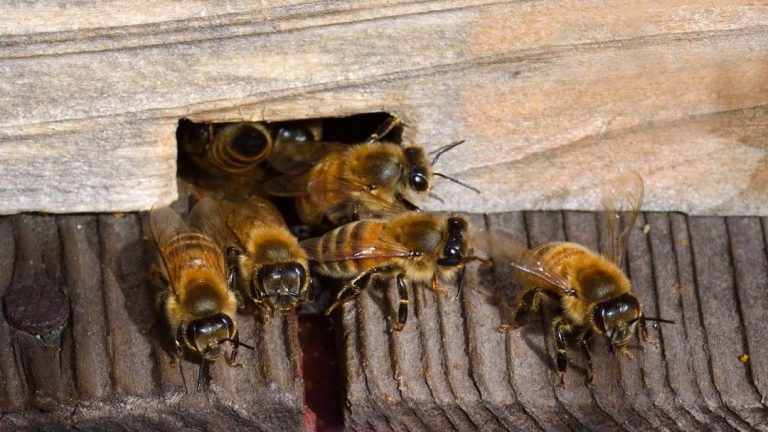
Taktic Bee Treatment for Combatting Varroa Mites: Effective Solutions
Varroa mites are a major threat to honeybees. These tiny parasites can devastate entire colonies.
Taktic bee treatment has emerged as an effective solution for combatting Varroa mites. It’s crucial for beekeepers to protect their hives from these harmful pests. Without proper treatment, Varroa mites can spread diseases and weaken bees, leading to colony collapse.
Taktic offers a reliable way to control and reduce mite populations. This treatment helps ensure the health and productivity of bee colonies. In this blog post, we’ll explore how Taktic bee treatment works, why it’s effective, and how you can use it to safeguard your bees. Stay tuned to learn more about keeping your bees safe and thriving.
Introduction To Varroa Mites
Varroa mites are tiny parasitic creatures that feed on honeybees. These mites attach to bees, weakening them and spreading diseases. Understanding the impact of Varroa mites is crucial for beekeepers.
Impact On Bee Colonies
Varroa mites can devastate bee colonies. They weaken adult bees by feeding on their bodily fluids. This makes bees more susceptible to viruses and other diseases. The mites also affect bee larvae, leading to poor development. A heavily infested colony may collapse within months. This poses a significant threat to honey production and pollination.
Importance Of Treatment
Treating Varroa mites is essential to maintain healthy bee colonies. Without treatment, mite populations can quickly grow out of control. Effective treatment helps reduce mite numbers and improve bee health. This leads to stronger colonies and better honey yields. Beekeepers must use reliable treatments like Taktic Bee Treatment. It ensures their bees remain healthy and productive.
What Is Taktic Bee Treatment?
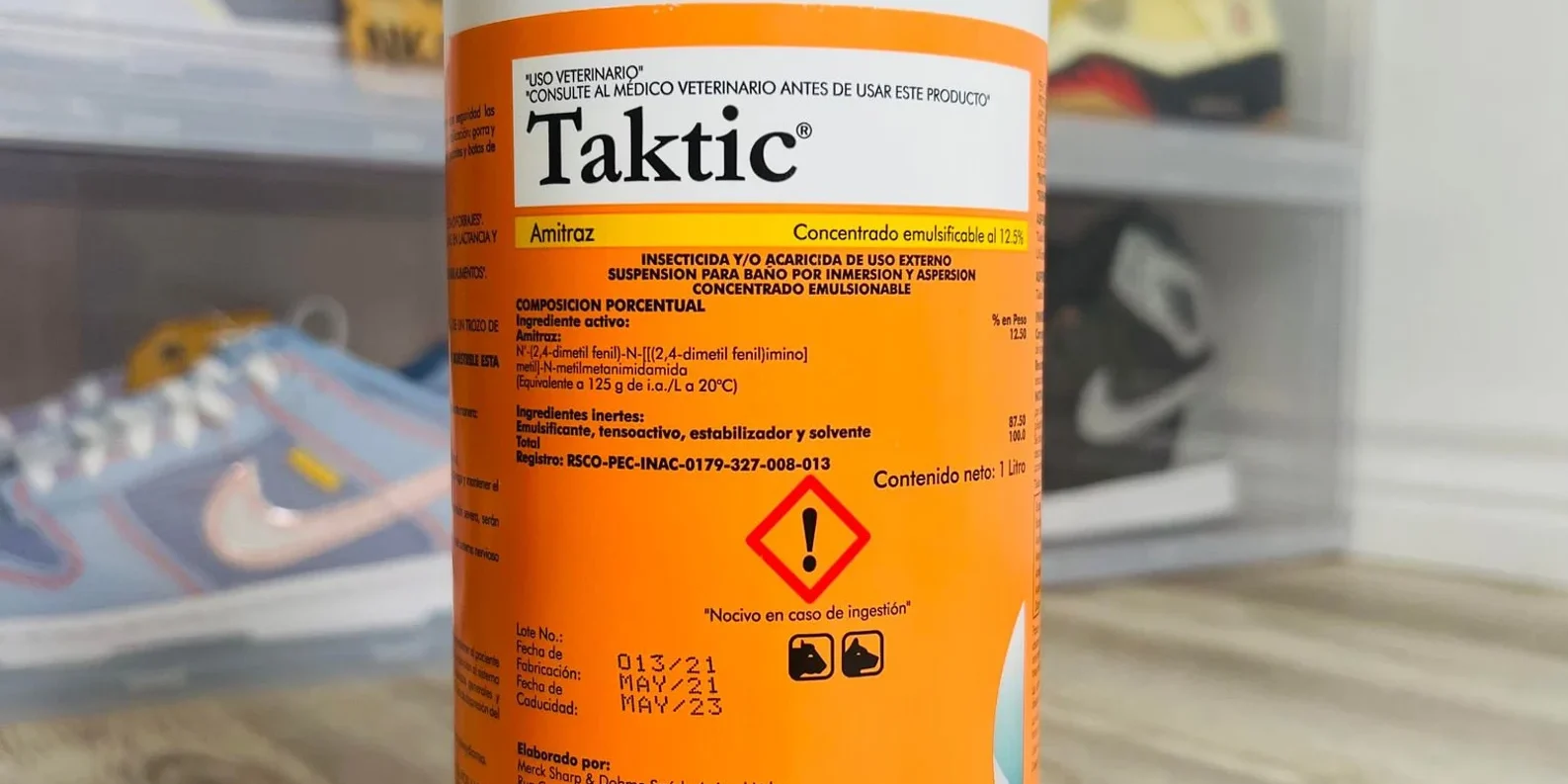
Taktic Bee Treatment is a popular solution for managing Varroa mites in beehives. These tiny pests can devastate bee colonies. Taktic helps control their spread and ensures healthy bees.
Active Ingredients
The main active ingredient in Taktic is amitraz. Amitraz is a chemical compound used in many pest control products. It specifically targets mites without harming bees.
Other components include stabilizers and solvents. These enhance the effectiveness of amitraz. They also ensure the treatment is safe for bees.
Mechanism Of Action
Taktic works by disrupting the nervous system of Varroa mites. Amitraz binds to receptors in the mites’ bodies. This causes paralysis and death in the mites.
Beekeepers usually apply Taktic as a liquid spray. It spreads throughout the hive and reaches all the mites. The bees then groom each other, spreading the treatment further.
Preparing For Taktic Treatment
Preparing for Taktic treatment is crucial for the health of your bees. It involves gathering the right tools and ensuring safety. This step-by-step guide will help you get ready. Let’s dive in.
Necessary Equipment
You need specific equipment for Taktic treatment. First, get a reliable measuring tool. This ensures accurate dosage. Next, have a good sprayer. It helps in even application. Lastly, use a protective suit. This keeps you safe from chemicals.
Safety Precautions
Safety is paramount during Taktic treatment. Wear gloves to protect your hands. Use a mask to avoid inhaling fumes. Ensure you work in a well-ventilated area. Keep children and pets away from the treatment zone. Follow the instructions on the product label carefully.
After the treatment, wash your hands thoroughly. Dispose of any unused chemicals properly. Store the Taktic solution in a safe place. Regular checks on your bees can help monitor their health post-treatment.

Credit: beekeepclub.com
Application Methods
Effective application methods are crucial for the success of Taktic Bee Treatment in combatting Varroa mites. Proper application ensures the treatment reaches the mites, providing relief for the bees. Let’s delve into the different methods to apply this treatment.
Direct Application
Direct application involves applying Taktic directly to the bees. This method ensures the treatment covers the bees and targets the mites effectively.
- Spraying: Mix Taktic with water and spray it directly on the bees.
- Drizzling: Drizzle the mixed solution over the bees in the hive.
Ensure to follow the recommended dosage to avoid harming the bees. Always wear protective gear during application.
Environmental Considerations
Environmental factors play a significant role in the effectiveness of Taktic Bee Treatment. Consider the following:
| Factor | Impact |
|---|---|
| Temperature | Optimal temperatures enhance treatment effectiveness. |
| Humidity | High humidity can affect the solution’s adherence to bees. |
Apply the treatment during cooler parts of the day. This helps in maximizing its impact. Store Taktic in a cool, dry place to maintain its efficacy.
Timing And Frequency
Effective timing and frequency play a crucial role in Taktic Bee Treatment for Varroa mites. Proper application ensures the health of your bee colony. Understanding the best times and how often to reapply is essential.
Optimal Seasons
Spring and fall are the optimal seasons for Taktic Bee Treatment. During these times, mite populations are easier to control. Treatment during these seasons helps bees prepare for winter. Avoid treatment during honey flow periods to prevent contamination.
Reapplication Guidelines
Reapplication depends on the severity of the mite infestation. Generally, reapply every 7-10 days. This ensures all mites are targeted. Monitor mite levels regularly to determine the need for further treatment. Consistent monitoring helps maintain a healthy hive.
Effectiveness Of Taktic
Taktic is a popular treatment for controlling Varroa mites in bee colonies. Beekeepers often face challenges with mite infestations, which can harm or even destroy entire hives. Taktic has shown promise in managing these pests. But how effective is it? Let’s dive into the research findings and case studies to understand its impact.
Research Findings
Studies have shown that Taktic is highly effective in reducing mite populations. According to a study by the University of Minnesota, Taktic treatments reduced mite levels by up to 90%. Researchers applied the treatment twice over a period of four weeks. The results were consistent across different types of hives.
Another study published in the Journal of Apicultural Research supported these findings. It noted significant decreases in mite numbers after using Taktic. The study also highlighted the treatment’s safety for bees when used correctly. This is crucial since some treatments can harm the bees they aim to protect.
Case Studies
Real-world experiences from beekeepers provide valuable insights into Taktic’s effectiveness. One beekeeper in Texas reported a dramatic drop in mite numbers after using Taktic. He applied the treatment in early spring and saw a healthier hive by summer.
Another case study from Canada showed similar results. A beekeeper there used Taktic as part of a regular treatment plan. Over two years, he observed not only fewer mites but also stronger bee colonies. He noted fewer winter losses and more active bees in the following seasons.
The table below summarizes the key findings from these case studies:
| Location | Treatment Period | Results |
|---|---|---|
| Texas | Spring | Fewer mites, healthier hive by summer |
| Canada | Two years | Fewer mites, stronger colonies, fewer winter losses |
These case studies show that Taktic is not only effective but also reliable. Beekeepers can trust it to protect their hives from Varroa mites, ensuring healthier bee populations.
Managing Resistance
Managing Resistance is a critical aspect of Taktic Bee Treatment for combatting Varroa mites. Resistance can develop when Varroa mites are exposed to the same treatment repeatedly. To maintain the effectiveness of treatments, it is essential to monitor and manage resistance carefully.
Signs Of Resistance
One of the first signs of resistance is a decrease in treatment effectiveness. If Varroa mite populations remain high despite regular treatment, resistance may be developing. Another sign is the presence of mites in treated hives shortly after applying the treatment. Monitoring mite levels before and after treatment can help identify resistance early.
| Signs | Description |
|---|---|
| High Mite Population | Mite levels remain high despite treatment |
| Mites in Treated Hives | Mites are present shortly after treatment |
Alternative Strategies
To manage resistance, consider using alternative strategies. Rotate treatments to reduce the chance of resistance. Use treatments from different chemical classes. This helps prevent mites from adapting to a single treatment. Another strategy is to combine treatments. This can increase effectiveness and reduce resistance.
- Rotate Treatments: Use different chemicals to prevent adaptation.
- Combine Treatments: Increase effectiveness by using multiple treatments.
- Monitor Mite Levels: Regularly check mite levels to detect resistance early.
Maintaining hive health is also crucial. Healthy bees are better able to manage mite infestations. Ensure hives have good ventilation and enough food. Regularly inspect hives for signs of disease. Keeping bees healthy can reduce the impact of Varroa mites.
Using these strategies helps manage resistance and maintain the effectiveness of Taktic Bee Treatment. It ensures bees remain healthy and productive.

Credit: homelabvet.com
Environmental And Health Impacts
Taktic Bee Treatment is effective in controlling Varroa mites. However, it has certain environmental and health impacts that need attention. Understanding these impacts helps in making informed decisions.
Impact On Non-target Species
Taktic affects not only Varroa mites but also other species. Non-target species, like beneficial insects, suffer from the treatment. Bees themselves may face stress due to chemical exposure.
Here’s a brief overview:
| Species | Impact |
|---|---|
| Beneficial Insects | Decrease in population |
| Plants | Possible contamination |
Human Health Risks
Using Taktic Bee Treatment poses human health risks. Direct contact with the chemical can cause skin irritation. Inhaling the fumes may lead to respiratory issues.
To minimize risks:
- Wear protective clothing
- Use masks to prevent inhalation
- Follow safety guidelines strictly
Understanding these risks ensures safe and effective use. Always prioritize safety for both humans and the environment.
Best Practices For Sustainable Beekeeping
Beekeeping is an ancient practice, but sustainability is now more crucial than ever. Sustainable beekeeping ensures the health of both bees and the environment. One effective method for achieving this is through Taktic Bee Treatment for combatting Varroa mites. Implementing best practices can significantly improve the health and longevity of bee colonies.
Integrated Pest Management
Integrated Pest Management (IPM) is a holistic approach to controlling pests. It combines biological, cultural, physical, and chemical tools. This method reduces pest damage to acceptable levels. Here are some key strategies:
- Monitoring: Regularly inspect hives for signs of Varroa mites.
- Thresholds: Use treatments only when mite levels reach a critical point.
- Biological Control: Introduce natural predators to keep mite populations in check.
- Cultural Practices: Rotate locations and use resistant bee strains.
Long-term Colony Health
Maintaining long-term colony health is vital for sustainable beekeeping. Healthy colonies are more resilient to pests and diseases. Here are some tips to ensure your bees thrive:
- Nutrition: Provide a balanced diet with diverse floral sources.
- Hygiene: Keep hives clean and free from contaminants.
- Genetic Diversity: Breed bees with strong, diverse genetics.
- Regular Monitoring: Check for early signs of health issues.
By implementing these practices, beekeepers can effectively use Taktic Bee Treatment while promoting the well-being of their colonies and the environment.
Credit: beyondpesticides.org
Frequently Asked Questions
What Is Taktic Bee Treatment?
Taktic Bee Treatment is a chemical solution used to control Varroa mites in beehives. It helps protect bee colonies from these harmful parasites.
How Does Taktic Treat Varroa Mites?
Taktic works by targeting and eliminating Varroa mites on bees. It disrupts the mites’ nervous system, effectively killing them.
Is Taktic Safe For Bees?
Yes, Taktic is safe for bees when used as directed. It is formulated to target mites specifically, without harming the bees.
How Often Should Taktic Be Applied?
Taktic should be applied based on the infestation level and season. Typically, treatments are done twice a year, during spring and fall.
Conclusion
Taktic bee treatment offers a solid way to fight Varroa mites. It helps in keeping bees healthy and strong. Easy to use, Taktic fits well into regular hive care. Beekeepers find it a reliable choice. With fewer mites, bees can thrive and produce more honey.
Regular use can lead to healthier bee colonies. This treatment is a step towards better beekeeping. Keep your hives safe with Taktic. Healthy bees mean a better future for all beekeepers.